AI data centers complicate UN climate negotiations at COP31
COP31 negotiations in Turkey ended in deadlock as delegates struggled to balance global electrification goals with the rising energy demands of AI data centers.
By News Media House Staff ·
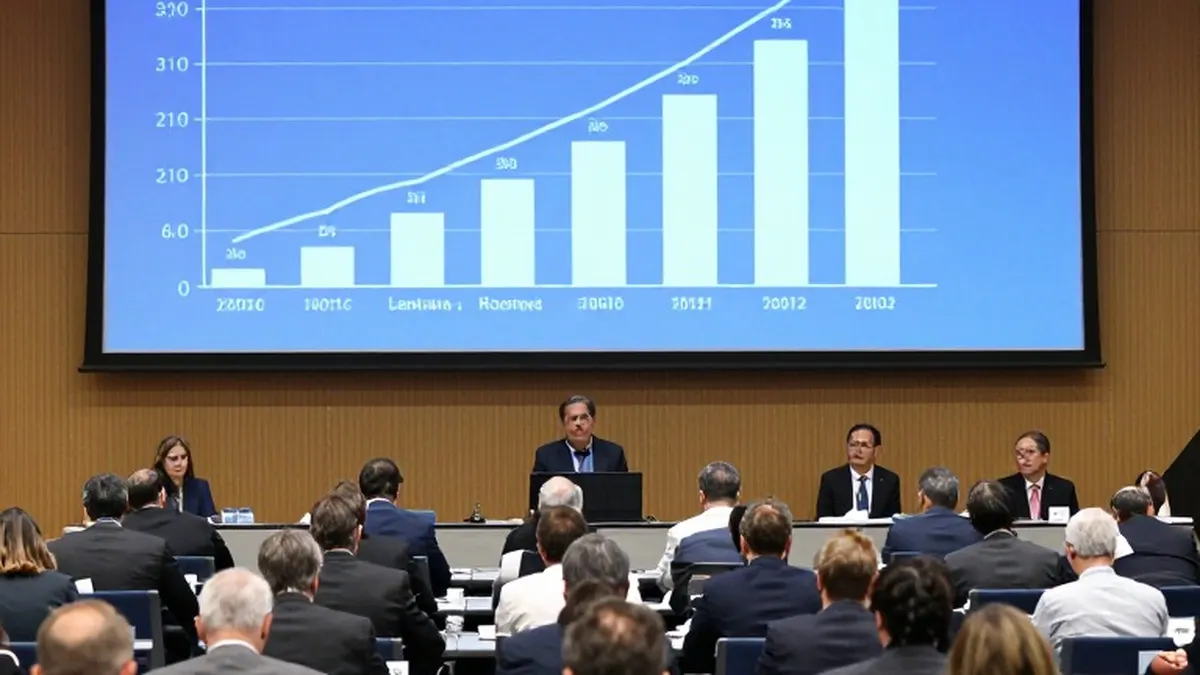
The United Nations climate conference, known as COP31, concluded in Antalya, Turkey, on Sunday after a chaotic and unsatisfying close. Delegates from around the world struggled to reach a consensus as they faced the dual challenge of electrifying the global economy and managing the surging energy demands of artificial intelligence data centers. The event marked the longest COP in history, with debates extending two days beyond the scheduled timeline.
A central objective of the negotiations was to increase electricity's share of global energy consumption to 35 percent by 2035, up from the current level of approximately 20 percent. However, the rapid expansion of data centers is causing electricity demand to skyrocket, making this target more difficult to achieve. Chris Bowen, Australia’s minister for climate change and energy and the president of the COP31 negotiations, noted that the issue has become a priority for climate ministers worldwide as part of the broader energy transformation.
Official negotiations collapsed when delegates failed to secure sufficient support for a two-week bargaining pact. The European Union, the United Kingdom, and several smaller nations vulnerable to climate change rejected the deal, deeming it too weak. A significant point of contention was the omission of the term fossil fuels, despite calls from many nations for stronger commitments to phase out oil, coal, and gas. The United States, a historic major polluter and the epicenter of the data center buildout, was absent from the talks after the Trump administration withdrew the country from the Paris accord.
With official negotiations stalled, many environmental and humanitarian groups labeled the event the worst COP ever held. Nations are required to cut greenhouse gas emissions by roughly half by 2030 to meet Paris goals and reach net zero by mid-century. While tech giants like Google, Microsoft, and Meta have made similar commitments in recent years, the AI boom has strained these targets. Meta reported a 45 percent year-over-year increase in climate pollution in its annual sustainability report, stating it is re-evaluating its net zero timeline to focus on AI.
The International Energy Agency forecasts that data center electricity consumption will double by 2030. Bruce Douglas, CEO of the Global Renewables Alliance, described the rising power demand as a huge climate risk, warning that an AI boom should not turn into a fossil fuel boom. His organization co-hosted a panel on these challenges during the summit, highlighting that data centers are now a key topic in climate discussions.
In the United States, which hosts the most data centers, power sector emissions could rise by 42 percent by 2030 as energy companies build more fossil fuel infrastructure to meet demand. A recent study by Harvard researchers found that hyperscale data centers in the US already create more climate pollution than the entire country of Denmark. To mitigate this, data centers must be powered by new renewable energy sources rather than existing capacity.
Data centers are currently competing with other sectors for grid connections, finance, and generation capacity. They often outbid other consumers to secure power quickly, potentially displacing essential uses such as heating, air conditioning, and transportation electrification. If companies merely match their electricity use with renewable energy purchases without building new green sources, they may end up consuming limited capacity, forcing the remaining demand to be met by fossil fuels.
Despite the difficulties, some progress was made. Approximately 80 nations signed a voluntary pledge to increase the share of electricity in energy consumption to 35 percent over the next decade, according to COP31 president Murat Kurum. However, the list of signatory countries has not yet been published. Another voluntary pledge aimed at keeping AI from derailing climate action by encouraging data centers to use less polluting energy failed to gain significant support.
Critics argue that the Antalya AI pledge, which calls for low-emission energy, still allows for the use of natural gas. While natural gas produces less carbon pollution than coal, it is a significant source of methane. The nonprofit Natural Resources Defense Council stated that while the pledge is a step in the right direction, it needs stronger protections to ensure the speed and scale of the challenge are adequately addressed for the benefit of people and the planet.
Originally published by News Media House
More News · National news · Report a business · Got a Story?