Aurora temple plot: Anti-Indian hate speech surges on social media
Police in Illinois averted a planned shooting at a Hindu temple, prompting officials and researchers to examine a 240% rise in online animosity toward South Asians.
By Nathaniel Hayes ·
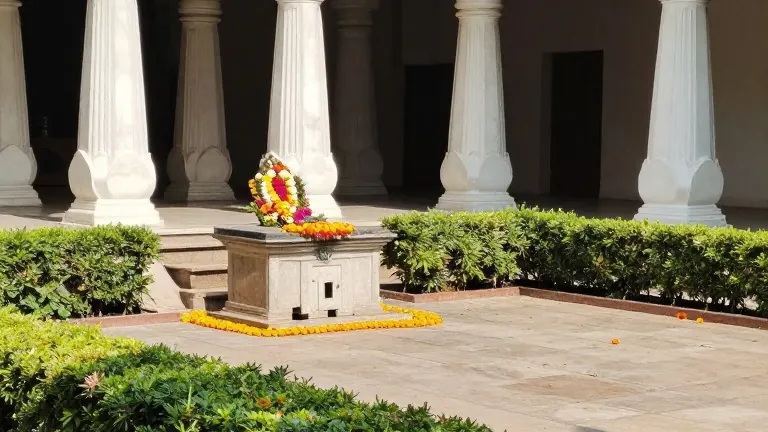
Police in Palatine, Illinois, said they stopped a planned mass shooting at the Sri Venkateswara Swami Temple in Aurora on Oct. 11 after a jammed gun prevented the attack. The suspect, Alexandros Paporakis, a 19-year-old college student and cashier, targeted the temple, which is located roughly 40 miles west of Chicago. He has been charged with making a terrorist threat and unlawful possession of a rifle.
Paporakis had planned the attack for two years and selected the temple site two months prior. Court filings indicate he wrote an eight-page document describing his motivation and using derogatory terms for people of Indian ancestry, Jews, and African Americans. He allegedly referred to himself as a sociopathic white supremacist. On the day of the incident, a major nine-day Hindu festival had just begun. U.S. Rep. Raja Krishnamoorthi, D-Ill., was in attendance with his family and has since asked the FBI to investigate the incident as a federal hate crime.
Searchers found an AR-style rifle, 300 rounds of ammunition, eight loaded magazines, body armor, and a gas can in Paporakis' apartment. They also recovered items with Nazi symbols and anti-Indian slurs. A coworker called police to report the attempt after speaking with Paporakis by phone. Palatine Police Chief William Nord stated that the seriousness of the threat cannot be overstated.
Researchers say this event aligns with a sharp increase in online hostility. Rohit Chopra, a professor of communications at Santa Clara University, noted that anti-South Asian hate speech on the platform X was 240% higher between January 2025 and June 2026 compared to January 2024. Prasiddha Sudhakar, a board member of the Network Contagion Research Institute, said the rhetoric has moved from fringe sites like 4chan to mainstream platforms. She traced the rise to conspiracy theories, including the "Brahmin Organized Government" narrative, which echoes older anti-Semitic tropes.
Sudhakar linked spikes in online hate to specific political moments, such as the appointment of Parag Agarwal as CEO of Twitter and the selection of Sriram Krishnan as a White House AI adviser. Chopra pointed to the H-1B visa issue as a political flashpoint, noting that Indian nationals account for more than 70% of these visas. He observed that every development regarding the visas caused a spike in online animosity.
The community is responding to the violence with calls for greater organization. Pushpita Prasad of the Coalition of Hindus of North America explained that Hindu temples do not function like traditional congregations, making it harder for members to connect and share information. According to Pew Research Center data, two-thirds of the Indian population in the U.S. are immigrants, and nearly half of those are not naturalized citizens. Prasad said many well-off Hindus remain quiet due to immigration uncertainty.
Chopra said the community lacks the political power to shift elections, despite high median incomes and visible success. He cited the recent prominence of figures like Usha Vance and FBI Director Kash Patel as milestones that do not equate to organized political strength. The community continues to debate how to become more vocal while navigating internal and external pressures.