GSK profit slides 19% as vaccine sales disappoint
Shares dropped 3.8% despite core earnings beating forecasts, driven by weakness in RSV and shingles shots and £318m in restructuring costs.
By Rosa Fuentes ·
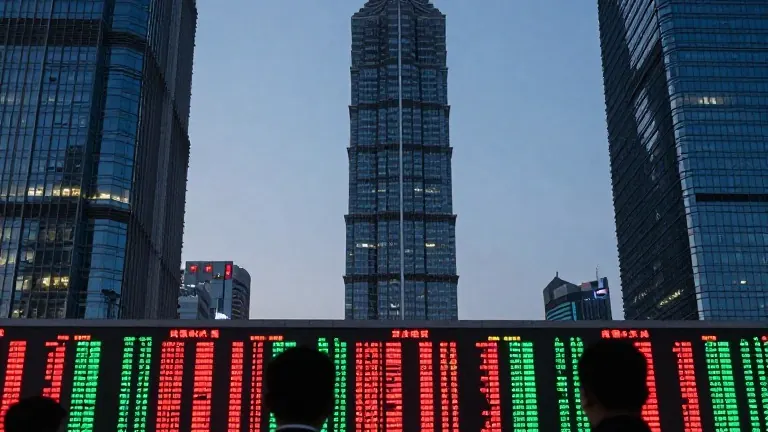
GSK shares fell by as much as 7% on Wednesday, erasing the positive impact of earnings that exceeded analyst expectations. The British pharmaceutical company posted a 19% decline in pre-tax profit to £1.9bn for the quarter ending in September. Investors reacted negatively to soft sales in its vaccine portfolio, particularly for respiratory syncytial virus and shingles products, despite strong performance in other therapeutic areas.
The stock closed down 3.8% on the day, marking the second-largest drop among constituents of the FTSE 100 index. This decline occurred even though core operating profit rose 5% and core earnings per share increased by 1%, figures that surpassed market forecasts. The company recorded £318m in restructuring charges for the period, with further costs anticipated in upcoming quarters.
Total turnover for the third quarter reached £8.9bn, a 5% increase compared to the same period last year. Growth was fueled by robust sales of HIV, cancer, and lupus medicines. However, vaccine revenue slipped 2% to £2.6bn. The shingles vaccine Shingrix saw a 5% drop in sales, while the RSV vaccine Arexvy declined by 24%. Meningitis vaccine sales increased by 12%, and the recently launched asthma drug Exdensur also failed to meet analyst targets.
Luke Miels, who assumed the role of chief executive from Emma Walmsley in January, addressed the performance of Arexvy. He stated that the company maintains market leadership against Pfizer and is receiving favorable orders from markets outside the United States. Miels indicated that the full picture of the product's trajectory will become clearer over the next few months. Since taking office, Miels has overseen several acquisitions, including a £7.9bn US cancer specialist, and initiated a cost-saving program in July to accelerate drug development.
Investors are also monitoring the impending loss of patent protection for dolutegravir, a major HIV drug. This event, expected toward the end of the decade, will permit competitors to release cheaper generic versions. In response, GSK has set a goal of generating more than £40bn in annual revenue by 2031 as it expands its cancer portfolio.
Miels reported that the company is slightly ahead of its three-year plan to save £1.9bn annually by streamlining operations and reallocating funds to research and development. The total restructuring cost is estimated at £2.4bn, with the majority of expenses occurring in the current and following years. He noted that the impact on the UK will be limited, affecting support functions like human resources and procurement at the London headquarters as well as hubs in Poland and India.
The company is also restructuring its vaccine operations in Belgium, where increased automation and digital tools are expected to result in approximately 1,200 job losses. Belgium will continue to manufacture the majority of the company's vaccines. GSK employed nearly 67,000 people worldwide at the end of the previous year.
GSK maintained its annual forecasts, projecting that research and development spending will outpace sales growth. The company expects to initiate 22 late-stage clinical trials by year's end. Miels described Shingrix as a remarkable product with potential for growth in the coming year. Two major studies are currently investigating whether the vaccine reduces the risk of dementia and major cardiovascular events, with initial data scheduled for release in 2027 and 2029.
Pharmacies in Britain have reported increased consumer interest in the shingles vaccine following studies linking it to a lower risk of dementia. Miels acknowledged the correlation shown in research and stated that the company is working to demonstrate a causal link.
More Business · World news · Unethical Practices · Report a business · Got a Story?