Knesset Hearing on Kariv Appointment Marked by Tensions and New Oversight Committees
Disputes over access and speaking time disrupted the appointment vote, while the Knesset approved four new special committees focused on judicial reform and regional development.
By News Media House Staff ·
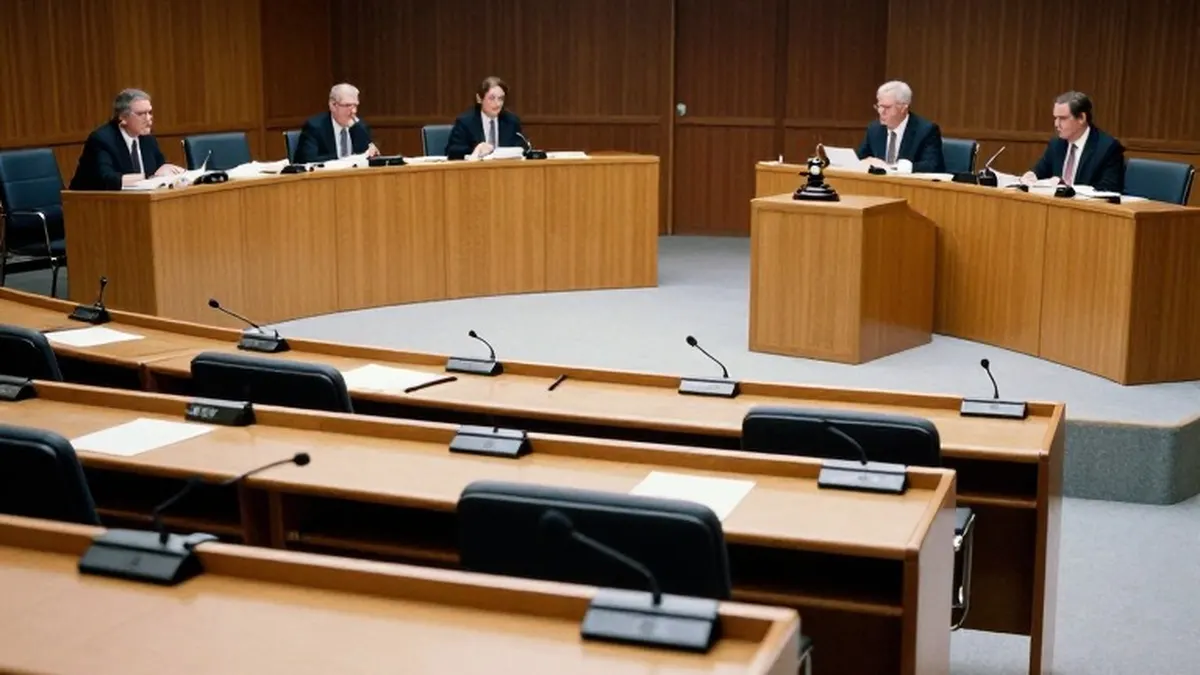
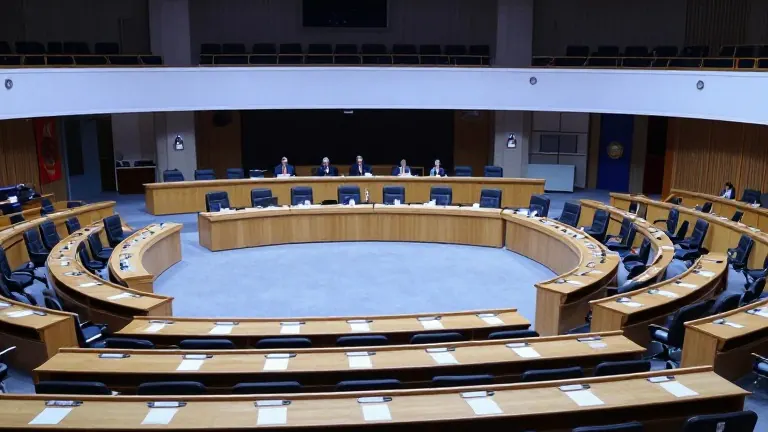
A Knesset hearing scheduled to appoint Democrats MK Gilad Kariv as chairman of the temporary Constitution, Law and Justice Committee turned into a heated confrontation on Monday. The session, which was originally intended to be a brief procedural matter, was significantly prolonged by disputes regarding who would be allowed to address the committee before the final vote.
Tensions escalated between representatives of the right wing Din V Tzedek Forum and bereaved families from the October Council. The families claimed that they were initially denied entry to the room, although they were eventually admitted after the proceedings had begun. According to the families, Arrangements Committee chairman MK Roy Folkman was informed that members of the Kalmanson family were waiting outside but did not permit them to enter at the start.
The families further alleged that their representatives were told they could speak only after the vote, rather than before lawmakers made their decision. Yuval Orbach, the 22 year old widow of Shay Orbach, requested permission to address the committee before the vote. The families stated that Folkman refused this request, leading to confrontations with MK Efrat Rayten, who was chairing the session in Folkman's place.
Several other disputes arose during the proceedings. Bereaved father Rafi Ben Shitrit accused Religious Zionist Party MK Simcha Rothman of switching off lights and microphones during previous hearings when Rothman chaired the committee. Rothman and committee director Yael Offman both denied the allegation. Additionally, MKs David Peter and Rothman argued that access rules were not being applied equally, noting that a representative from a left wing organization was admitted while right wing representatives were kept out.
The conflicts prevented lawmakers from advancing the planned vote for an extended period. During the disturbances, Rothman and Peter were temporarily removed from the committee room. Committee sources criticized the coalition's conduct, suggesting that bereaved families were being used for political purposes to disrupt the proceedings.
Earlier on Monday, the Knesset Arrangements Committee approved the establishment of a special committee to consider legislation concerning the attorney general's office. The bill, initiated by Rayten, seeks to safeguard the independence and institutional autonomy of the attorney general. This 15 member committee, which will be chaired by Rayten, was approved by 11 lawmakers with nine voting against.
The committee also approved four additional special oversight panels. One 13 member committee, chaired by Ra'am MK Mansour Abbas, will focus on combating crime and violence in Arab society. Another panel, led by Joint List MK Yousef Jabareen, will oversee socioeconomic equality initiatives, including development programs for Arab municipalities and support for at risk youth.
A third committee, chaired by Yisrael Beytenu MK Yulia Malinovsky, will supervise the implementation of the October 7 Prosecution Law. Its duties include monitoring the readiness of a designated military court and safeguarding the rights of victims. The final panel, chaired by MK Noam Tibon, will oversee the rehabilitation of the Negev and Galilee regions, including the return of displaced residents and the allocation of reconstruction funds.
These four special committees will operate until a new government is formed, permanent committees are established, or May 23, 2027, whichever comes first. Their creation was also approved by a vote of 11 in favor and nine against.
Meanwhile, the Regavim movement and other civil society organizations accused Knesset officials of preventing their representatives from entering the hearing despite having registered in advance. In a letter to the Knesset, the groups described the restrictions as a severe violation of transparency. They stated that the public importance of the discussions required full access and called on Knesset Speaker Matan Kahana to intervene.
Originally published by News Media House