Largemouth Bass Virus Confirmed at Nevada County Lake
State officials announced the arrival of the pathogen on Thursday after a mass die-off was detected at a private water body in September.
By Nathaniel Hayes ·
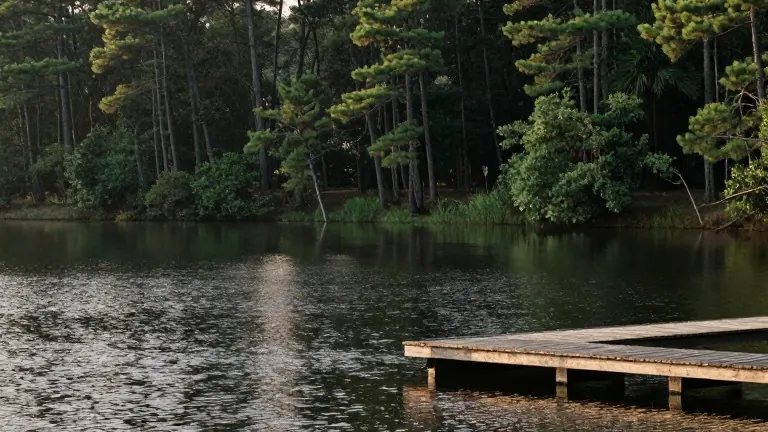
A virus that kills largemouth bass has reached California, according to state officials who announced the finding on Thursday. The pathogen was detected in September at Lake of the Pines, a 232-acre private lake in Nevada County. The discovery marks the first time the disease has been confirmed on the West Coast.
The California Department of Fish and Wildlife received reports of a large die-off soon after Labor Day weekend. Residents of the gated lake community noted that more than 220 fish had died, including some bluegill. Peter Tira, a spokesman for the agency, said initial observations suggested the losses were typical for warm water with low oxygen. Further testing identified the cause as Largemouth Bass Virus, or LMBV.
LMBV is highly pathogenic to largemouth bass but does not harm humans or warm-blooded animals. It can infect other species, including smallmouth bass, though they rarely show symptoms. The virus was first found in Florida in the early 1990s. Researchers suspect it originated in Southeast Asia, where similar viruses were previously detected in imported aquarium fish. Outbreaks have now been recorded in 30 states.
Kevin Kwak, a fisheries veterinarian with the state department, said the arrival of the virus was likely inevitable despite importation requirements. “I do think it was a matter of time,” Kwak said. He noted that once the virus establishes itself, surviving fish typically develop resistance. “It’s like they were vaccinated,” he said.
State officials are currently testing other water bodies to determine if the virus is present elsewhere. They advise anglers to drain bilge water from boats and clean equipment with tap water before moving to new locations. Fishers should avoid moving dead or live fish between water sources unless they intend to eat them. Officials also recommend disposing of fish parts and bait in the trash to prevent spread.
Sean Bothelio, general manager of the Lake of the Pines Association, said fishing activity has rebounded since the die-off. He reported that the population does not appear to have dropped noticeably. Most bass caught recently show no visible signs of disease, though some still have sores that appear to be healing. Bothelio described the lake as a trophy fishery where many residents moved specifically for the sport.
The virus spreads through contaminated equipment, infected baitfish, or carrier species. Signs of infection in fish include skin ulcers, darkened skin, swollen bodies, and bulging eyes. Internally, infected fish may show pale organs and dead tissue. Larger and older bass are particularly vulnerable to the disease.
More News · Las Vegas news · Report a business · Got a Story?