Oregon Business Council Targets Industrial Land Shortfall With $250 Million Investment
A 29-page report argues the state’s current land use system is outdated and suggests specific legislative fixes for the 2027 session.
By Mariam Saleh ·
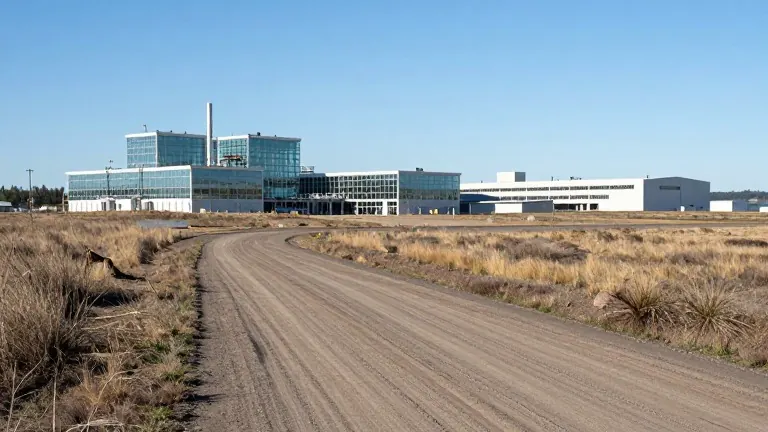
The Oregon Business Council is proposing a new $250 million industrial site readiness fund to address what it calls a "phantom supply" of underdeveloped land. The 29-page report, released on Monday, outlines a plan to expand local programs that allow industries to operate across multiple jurisdictions and to designate specific areas for future growth. The group argues these steps are necessary to make land available for economic development.
The council, which includes more than 40 business leaders, executives, and public policy figures, describes the state’s existing land use system as outdated. That system was established about 50 years ago to protect natural resources by limiting where cities could expand. The report contends that Oregon’s economy has shifted from agriculture and timber to manufacturing and semiconductors, requiring a different approach to land management.
The document cites a forthcoming survey in which 80% of respondents said they missed out on development projects because of a lack of developable land. It also references a 2026 University of Oregon study indicating that limited industrial land availability is hindering new semiconductor investment. The report notes that Oregon has invested decades in building competitive advantages in the semiconductor industry through private capital and specialized workers. It warns that these advantages are not permanent.
John Tapogna, president of the Oregon Business Council, explained the need for infrastructure during a Tuesday webinar. He stated that land without adequate roads, utilities, and electricity is not ready for industry or homes. Tapogna noted that the state’s prosperity council made a similar point this summer when it recommended a larger dedicated fund for site readiness and infrastructure.
State lawmakers have already begun addressing land use constraints earlier this year by voting to expand a program allowing cities to exceed urban growth boundaries for senior and manufactured housing. Business Oregon currently offers a $25 million industrial site loan fund, but the council recommends increasing this to $250 million. The report also suggests expanding industrial land banks, which are publicly controlled plots of land that are currently underutilized or contaminated.
The report recommends creating more regional voluntary programs for large lot industrial zones. It points to an arrangement in Central Oregon where cities and counties collaborate to designate land for employment opportunities. The Bend-based environmental nonprofit Central Oregon LandWatch did not oppose the specific policies in the report but expressed hesitant support for some of the recommendations.
Corie Harlan, the organization’s cities and towns program director, said in a statement that some ideas have merit, such as better land inventories and a focus on infrastructure. She added that the group is prepared to engage in the work to ensure the land use program continues to deliver opportunities and livability for Oregonians.
More Business · Unethical Practices · Report a business · Got a Story?