60% of incarcerated people with mental illness go untreated in jails
County jails across the U.S. often serve as the default facility for mental health crises, leading to long stays for individuals who lack access to specialized community care.
By Vincent Parker ·
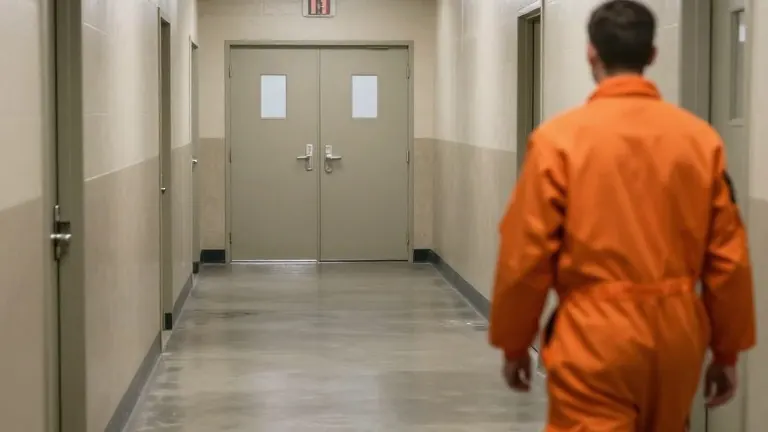
Three major U.S. jail systems now rank among the country's largest mental health facilities. These institutions include Rikers Island in New York, the Twin Towers Jail in Los Angeles, and Cook County Jail in Chicago. This designation reflects a shift in how local law enforcement handles individuals in crisis.
The National Alliance on Mental Illness reports that 60% of people with a history of mental illness do not receive treatment while incarcerated. Once an individual is booked, maintaining specific medication regimens becomes difficult. Many jails are not designed or staffed to provide long-term psychiatric care.
William Malcom, who runs mental health services for the Charleston County Sheriff’s Office in South Carolina, said his facility has become the largest mental health provider in the county. He stated that this situation is not unique to South Carolina but occurs nationwide. Malcom explained that when communities lack sufficient beds in psychiatric hospitals, jail becomes the default option for those in crisis.
In Ingham County, Michigan, the lack of community resources contributed to a fatal incident in May 2024. Cynthia Marek called 911 for help with her son, Brandon Labrie, who was experiencing a mental health emergency. The situation escalated into a stabbing, and Labrie was charged with his mother’s death.
Steve Labrie, Brandon’s father, worked as a registered nurse in state psychiatric hospitals for more than 30 years. He said the family was told weeks before the attack that Brandon would be placed in a long-term mental health facility after a suicide attempt. That placement never happened.
“I’ve seen a lot of things in my life. It was, in my opinion, preventable,” Steve Labrie said. He noted that he does not know what type of treatment his son will receive in prison. “My guess is, if he gets any, it’s minimal. I wish I had those answers. I wish I knew,” he added.
In April 2026, Brandon Labrie agreed to plead guilty but mentally ill to second-degree murder. A judge sentenced him to 25 to 50 years in prison in May 2026.
Some police departments are changing how they respond to these calls. In Shelby County, Alabama, Zach Andrews serves as a mental health officer. He responds to crisis scenes and trains deputies in crisis intervention. Andrews said the approach sends a mix of officers and mental health clinicians to de-escalate situations and connect people to treatment.
The crisis intervention team model was first developed in Memphis in the late 1980s. It now exists in more than 2,700 communities across the U.S. Andrews described the training as vital because it equips law enforcement with strategies to handle intense situations without immediate booking.
For individuals already in the court system, states like North Carolina are using a program called Forensic Assertive Community Treatment, or FACT. This model provides mental health care, housing assistance, peer support, and court oversight for people with severe mental illness who are released from jail or prison.
Angel Nelson works as a peer support specialist for the FACT team in Mecklenburg County, North Carolina. She began abusing drugs at age 9 and committed her first crime a few years later. Nelson said a judge eventually gave her a choice between extensive mental health treatment and a lifetime in prison. She chose treatment.
“The first time, I went to the store by myself and didn’t steal nothing. That was the most awesome feeling I had ever felt in my life. I get so emotional because I never knew I could do that,” Nelson said. She now guides other FACT participants through the process based on her own experience.
More News · Henderson news · Report a business · Got a Story?