Democrats vow to cut grocery bills after sweeping midterms
New congressional leaders face a divided government and a president willing to veto changes to tariffs and trade policy.
By Rosa Fuentes ·
Hakeem Jeffries declared a "tremendous victory" for voters on Friday as Democrats secured control of both chambers of Congress on Tuesday. The party’s platform centers on reversing the cost-of-living crisis that dominated the campaign trail. Jeffries stated the incoming majority will prioritize tackling high prices when the new session begins in January. He described the election result as a strong rebuke of policies he believes have made life more expensive for everyday Americans.
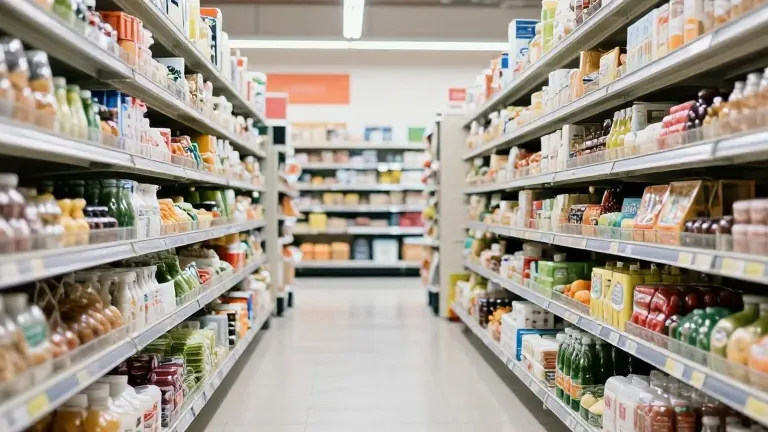
Voters cited high food costs and the impact of the administration’s tariffs and the Iran war as primary drivers for their choices. These factors pushed grocery prices to levels many consumers found difficult to sustain. The economic strain created a mandate for the new Democratic leadership to address these specific pressures. The party now holds the legislative tools to propose changes, though the path to enactment remains complex.
President Trump retains the power to veto legislation, creating a potential obstacle for any bill aimed at rolling back his signature trade measures. Senate Democrats lack a filibuster-proof majority, which means they must secure some Republican support to pass major bills. Trump has shown little appetite for reversing his course on the Iran conflict or his tariff schedule, both of which contribute to higher food prices. The administration’s immigration crackdown has also led to labor shortages on U.S. farms, adding another layer of complexity to the supply chain.
Lael Brainard, who leads the public policy group The Kitchen Table Project, noted that Americans expect swift relief from Washington. She observed that people feel squeezed by prices that do not seem justified by market conditions. A September poll from her group and Global Strategy Group found that nearly half of respondents listed lowering their grocery bills within six months as their most important goal. This urgency contrasts with the slow pace of legislative negotiations typically seen in a divided government.
Democrats plan to move forward with proposals to cut grocery bills, including efforts to roll back specific tariffs. These tariffs have raised the cost of imported foods and drinks while also increasing the price of machine parts and packaging for the domestic food industry. The conflict in Iran has further exacerbated these issues by spiking energy prices. This has made transportation more expensive and cut off a significant portion of the global fertilizer trade when the Strait of Hormuz closed.
Chris Borick, a political science professor at Lehigh University, noted that the president would likely want to find ways to reduce grocery costs. He suggested that Democrats share this interest, but a significant distance exists between the two parties regarding the available mechanisms and levers. The lack of a unified approach in Washington means that state-level actions may play a larger role in providing immediate relief to consumers.
Incoming Democratic senators have floated additional proposals to make groceries more affordable during their campaigns. James Talarico of Texas said he would push back against attacks on federal food assistance programs WIC and SNAP. SNAP is currently undergoing a major overhaul by the Trump administration and has seen a sharp drop in participation since last summer. Adam Hamilton of Kansas announced support for a national ban on dynamic pricing in grocery stores. Roy Cooper of North Carolina and other candidates vowed to block food industry mergers that they argue raise consumer prices.
Democrats also made gains in state capitals, with at least 28 states set to have Democratic governors next year. Ten state legislative chambers also flipped to the party, according to the National Conference of State Legislatures. These officials have proposed their own ideas for providing relief in the grocery aisle. Keisha Lance Bottoms proposed allowing municipalities in Georgia to suspend or eliminate local sales taxes on groceries, baby formula, and diapers. Gina Hinojosa, the governor-elect of Texas, promised to outlaw predatory surveillance pricing and price gouging. Deb Haaland said New Mexico would explore a policy similar to one in Albuquerque that waives permitting fees for markets in food deserts.