Trump Presses Senate on Permanent Daylight Saving
The House passed a bill to end clock changes in July, but the measure stalled in the upper chamber before the recent time shift.
By Rosa Fuentes ·
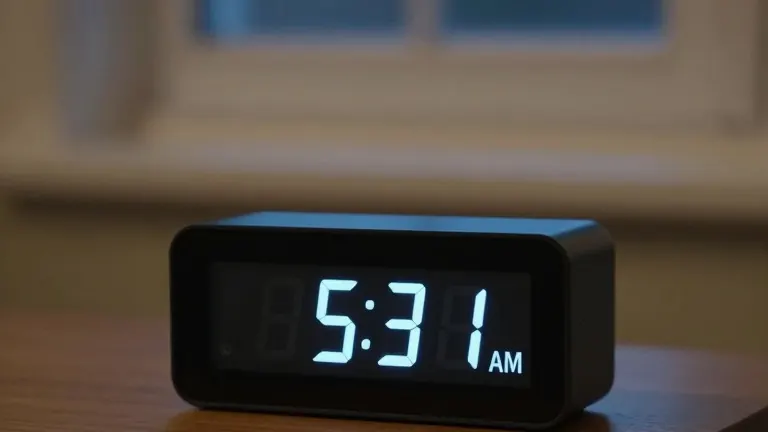
The House voted 308-117 on July 14 to make daylight saving time permanent, a margin that President Donald Trump cited in a post on Truth Social on Sunday. He expressed frustration that the Senate did not approve the measure before Americans switched their clocks back on Nov. 1.
The president referred to the legislation as the Sunshine Protection Act or the I Don’t Want to Change My Clocks Anymore Act. He noted that sunset in Washington, D.C., occurred at 5:06 p.m., with darkness setting in by 5:31 p.m. Trump described the early darkness as ridiculous and renewed his push to end the twice-yearly clock change.
Daylight saving time currently requires clocks in most of the United States to be set one hour ahead of standard time between spring and fall. The 1973 law that established year-round daylight saving as an experiment was ended early in 1974 as support declined. Lawmakers cited concerns about children walking to school in the dark as a primary reason for abandoning the test period.
Supporters of the current bill argue that permanent daylight saving would provide more natural light during the hours when Americans are most active. Opponents counter that the change would leave commuters in some states unable to see the sun until after 9 a.m.
Trump said he avoided making a big deal of the issue before the midterm elections to prevent certain senators from losing their races by large margins. He stated that the House sent the bill to the Senate with bipartisan support, but the upper chamber did not take it up. He added that while the nation has bigger priorities, he will continue working to get the bill to his desk.
The Senate failed to pass the bill before the Nov. 1 deadline, meaning Americans recently reset their clocks. The measure now awaits action in the new congressional session, with the president pledging to keep fighting for its approval.