Fake crystals cost buyers up to $100
Shop owners in Sedona warn that social media demand has led to a surge in synthetic gems sold as natural stones.
By Nathaniel Hayes ·
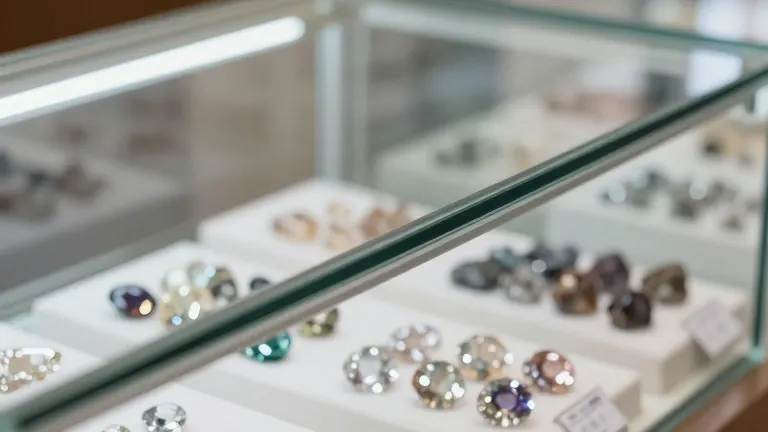
A Sedona shop owner recently purchased a lab-grown crystal for more than $100. The same stone is available online for between $5 and $20. The transaction highlights a growing problem in the gemstone market, where buyers are often paying a premium for synthetic products.
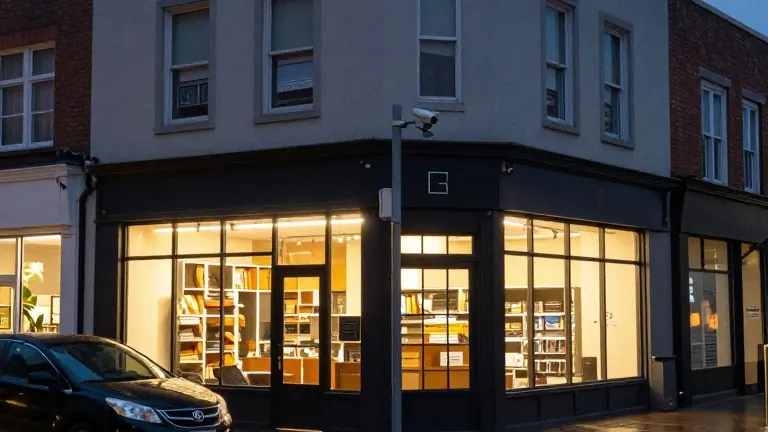
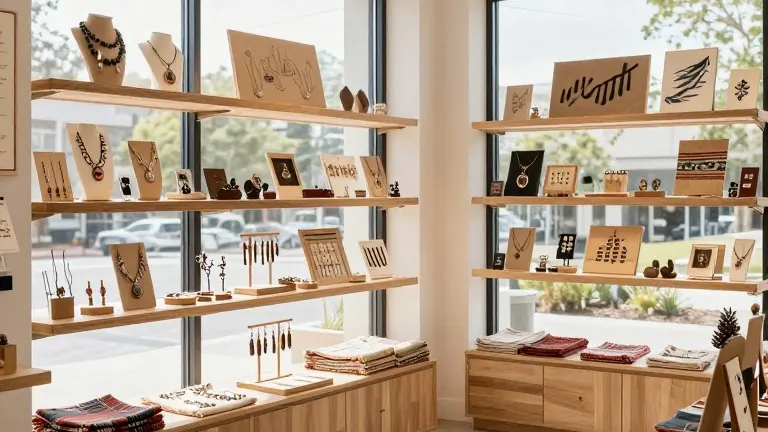
The crystal industry has seen a sharp rise in popularity driven by social media. The hashtag #crystals has generated 20 billion views on TikTok. Jamie Inglett, who owns a crystal shop in Sedona, capitalized on this online trend to build a following of 215,106 Instagram followers. She then opened a physical storefront in the city. Inglett stated that buyers do not need to believe in crystal healing to appreciate the aesthetic value of the stones.
Experts warn that the boom has been accompanied by an influx of fake products. Shannon Wimberly, a crystal collector with several years of experience, said she has encountered fakes and now scrutinizes her purchases more carefully. She noted, “I absolutely know I’ve run into getting fake ones, so I started scrutinizing other things more and more.” Inglett agreed that consumers must do their own research to avoid costly mistakes.
Inglett explained that buyers might receive lab-grown crystals sold as natural stones, or completely synthetic items made from plastic or glass. She recommended asking sellers for the origin of the item. “Asking the shop, where is this from? And then they should at least be able to tell you the country of origin, if not the actual mine name,” Inglett said. Sellers should be able to provide specific details about the source of the gemstone.
Physical tests can help identify fakes. Inglett noted that glass imitations sound different from natural stones and do not feel cold to the touch. They also often display unnatural dye patterns. Fake moldavite lacks the natural grooves and textures found in real specimens and appears too uniform in shape. Inglett added that lab-grown crystals are acceptable provided the seller discloses what the buyer is purchasing.
The distinction between natural and synthetic matters for pricing and authenticity. Inglett showed a lab-grown crystal bought from a local Sedona shop for over $100. She pointed out that similar stones can be found online for a fraction of that price. “You’ll see hundreds of these, depending on the store. They’ll all look about the same,” Inglett said. The visual similarity makes it difficult for casual buyers to distinguish between a $100 stone and a $5 one without expert knowledge or proper disclosure.
More Business · Henderson news · Unethical Practices · Report a business · Got a Story?