
Caregiver expert suggests smaller steps when dementia patients resist bathing
Teepa Snow, a dementia care educator, advises families to reframe daily routines around smaller, manageable tasks rather than forcing compliance with larger chores.
By Mariam Saleh ·
Teepa Snow, a nationally recognized dementia care educator and occupational therapist, recommends that caregivers adjust their approach to daily routines for people with dementia. Snow, who founded the Positive Approach to Care, spoke on the television program Aging Untold about how families can manage common challenges such as bathing and dressing. She argued that using the term brain change helps shift the focus away from decline and toward the new abilities that often emerge during the disease process.
Snow explained that neuroplasticity exists regardless of whether a person has dementia. She noted that while individuals lose some abilities, they simultaneously change others. For instance, a person who never swore might begin using strong language, or someone who was previously reserved might start asking strangers for help getting home. Snow said these changes reflect the brain adapting to its new state rather than simply failing.
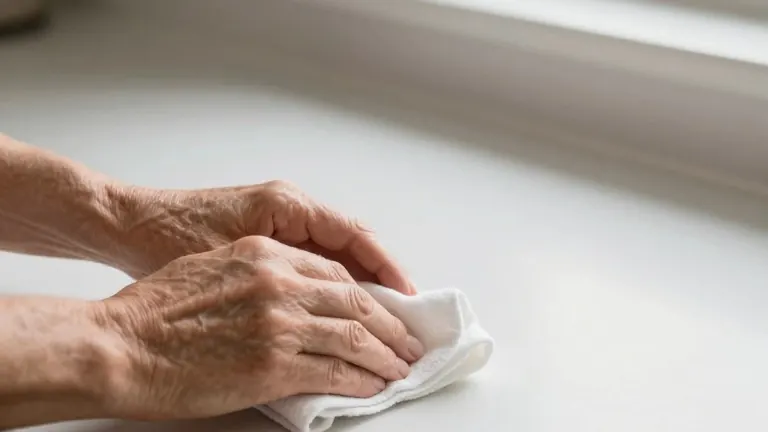
During the interview, gerontologist Sam Cradduck asked Snow how she would handle a parent who continually refused to shower, take medication, or get dressed. Snow said she would avoid forcing the shower. Instead, she would ask the loved one for help with a much smaller task. She described pointing out a spot on her cheek and asking the person to use a washcloth to clean it. Another example she provided was asking the person to wash their hands before cooking dinner.
Snow said that if a person refuses to participate in these smaller steps, they are unlikely to agree to a full shower. She told the audience that she would need to back up and figure out what is getting in the way of the interaction. The goal is to make the task feel less overwhelming and more like a cooperative effort rather than a demand.
Cradduck also asked about written reminders, such as sticky notes labeled coffee cups or plates. Snow said these tools often do not work as well as families hope. She explained that following a written sequence requires the hippocampus, the learning and memory center, to access previous steps and determine the next action. Because the front of the brain is also involved in sequencing, the process can be too complex for someone with memory loss. Snow advised families to recognize that the person likely needs more direct support to complete tasks.
When asked for one message to give every family affected by dementia, Snow said both the person with the diagnosis and the caregiver are doing the best they can. She told the audience that if they want something to change, one of them has to change. Because the person with dementia is already experiencing brain change, caregivers must build the awareness, knowledge, and skills they may not have expected to need.
Snow also noted that not every family member is suited to provide hands-on care. She said that some people are better at organizing the care while others are built for the direct work. She described the hands-on role as hard work and encouraged families to recognize individual strengths when assigning duties.
More News · Henderson news · Report a business · Got a Story?