GCC economies face 4.8% contraction as Gulf leaders warn of renewed U.S.-Iran war
Diplomats at the Manama Dialogue in Bahrain cited fear of a second, more destructive conflict, noting that the bloc's gross domestic product is shrinking despite diplomatic efforts.
By Mariam Saleh ·

Leaders from Persian Gulf nations gathered in Manama, Bahrain, last weekend to discuss the growing threat of renewed military conflict between the United States and Iran. At the annual Manama Dialogue security summit, officials expressed deep concern that a second round of fighting would be more damaging than the initial campaign that began on Feb. 28. The mood among the attendees shifted away from the usual optimism regarding regional prosperity and toward anxiety over the economic and military stakes of a potential war.
Egyptian Foreign Minister Badr Abdelatty stated that a second phase of warfare would be more dangerous and destructive. He argued that the region must push hard to prevent escalation, noting that further conflict would negatively impact food and energy security. Anwar Gargash, a presidential advisor from the United Arab Emirates, said that the positions of Washington and Tehran remain far apart. He added that regional countries are seeking a political solution to avoid another prolonged crisis of no war and no peace.
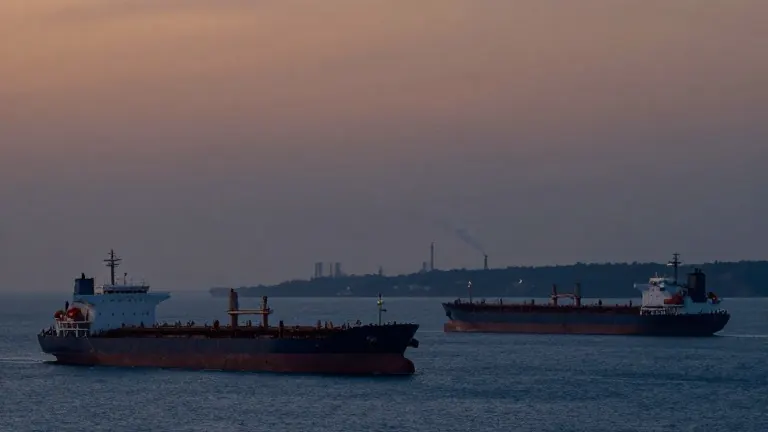
The economic impact of the ongoing tensions is already visible in regional data. The International Monetary Fund projects a 4.8% contraction in the gross domestic product of the Gulf Cooperation Council compared with the previous year. Qatar is facing the most severe hit, with real GDP down more than 15% this year. Saudi Arabia's economy shrank nearly 4% in the third quarter, a result attributed to the blockade of the Strait of Hormuz and disruptions in the Red Sea caused by Yemeni Houthis.
Washington and Tehran continue to send mixed signals regarding a potential settlement. President Donald Trump hinted at launching another military operation after the midterm elections, while also stating on social media that Iran wants a quick deal. Iranian Foreign Minister Abbas Araghchi said the ball is now in the American court, warning that if the U.S. chooses aggression, the result will be severe. Iran has proposed reopening the Strait of Hormuz within two days if certain conditions, including the lifting of port blockades, are met.
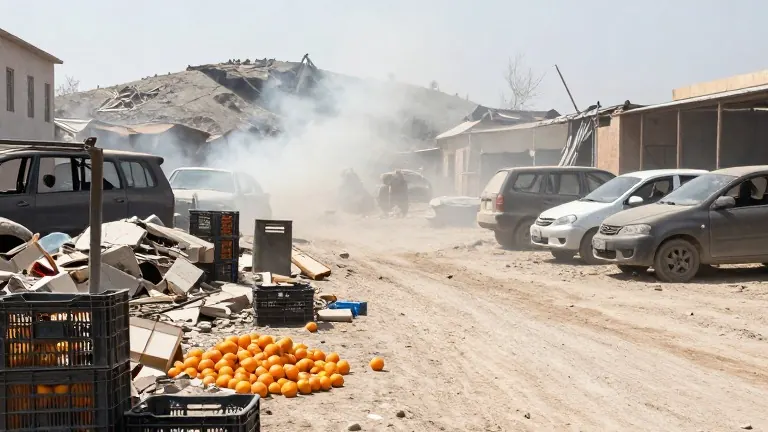
The physical scars of the first round of fighting remain visible in Bahrain, where the U.S. 5th Fleet maintains support facilities. Structures in the capital show signs of explosive damage, including a destroyed radar dish and soot-covered depots. These damages resulted from Iranian strikes involving 500 drones and roughly 200 ballistic missiles. Regional diplomats noted that the U.S. security umbrella is being questioned, forcing Gulf nations to look for alternative protections. Saudi Arabia has signed a pact with Turkey and Pakistan and requested defensive assistance from Egypt, marking a shift in the region's security strategy.
More World · Las Vegas news · Report a business · Got a Story?