Louisiana Loses 2,000 Square Miles of Wetlands
Geologists and officials disagree on the best method to stop the rapid land loss in the Mississippi Delta.
By Jasmine Carter ·
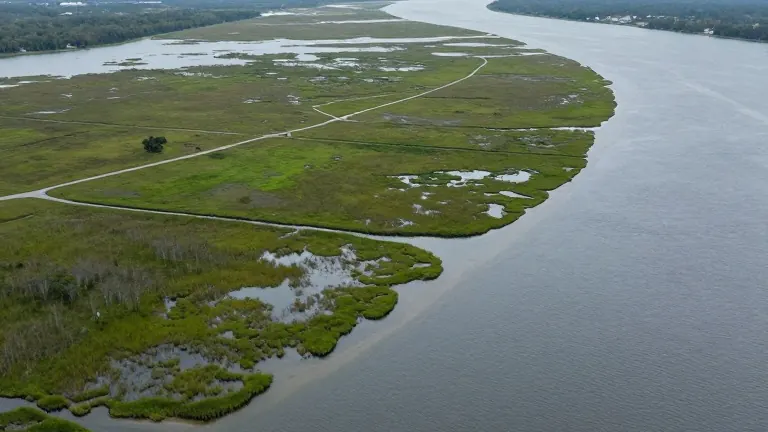
The U.S. Geological Survey estimates that Louisiana has lost roughly 2,000 square miles of wetlands since 1932. The Mississippi River Delta currently spans approximately 2.7 million acres, containing the largest area of brackish marsh on the North American continent. This ecosystem supports local fisheries, wildlife habitat, and serves as a migration corridor for birds.
The land loss has accelerated due to several factors, including natural subsidence, rising sea levels, and human engineering. Oil field canals have interrupted natural tidal flows, while the Mississippi River levee system, installed after the 1927 flood, has cut the river off from the delta it historically nourished. A recent University of California study determined that South Louisiana is sinking faster than any other river delta on Earth.
Historically, the river delivered massive amounts of sediment to build land. Chris McLindon, a geologist active in coastal issues, compared the total volume of sediment delivered to the Gulf Coast to the Himalayas mountain range. He noted that if the Himalayas were flipped upside down at sea level, they would be five miles deep. Modern studies indicate the river now delivers far less sediment, with much of it trapped behind locks and dams upstream from New Orleans.
The shrinking coast reduces natural buffers against hurricane storm surge. Mark Davis, a Research Professor at Tulane University, explained that cities like Miami and Norfolk, Virginia, lack the same coastal buffer capacity found in Louisiana. The state has attempted to restore the ecosystem by building projects that nurtured 55,000 acres and over 70 miles of barrier islands.
State leadership recently abandoned plans for large-scale sediment diversion projects. These diversions were central to the coastal program but faced opposition from commercial fishermen who worried large volumes of river water would damage marine life and fisheries. Governor Jeff Landry’s administration sided with those critics, shifting the state’s approach to land restoration.
Foster Creppel, an outdoorsman and coastal activist in Plaquemines Parish, remains optimistic despite the policy shift. He believes the state can overcome internal disagreements to save the delta. Creppel stated that if the state wants to save the estuary, it must come together. He warned that continued fighting over the issue leaves the coast with little chance of survival.
The Mississippi Delta continues to lose land to the Gulf of Mexico. The state’s new coastal strategy focuses on smaller restoration efforts after dropping the large diversion projects. Local stakeholders and scientists continue to monitor the rate of subsidence and the health of the remaining wetlands.
More News · Henderson news · Report a business · Got a Story?