Fall fishing season opens as Nevada water temperatures begin to drop
Cooler air and shifting underwater conditions are changing fish behavior in Southern Nevada reservoirs this month.
By Jasmine Carter ·
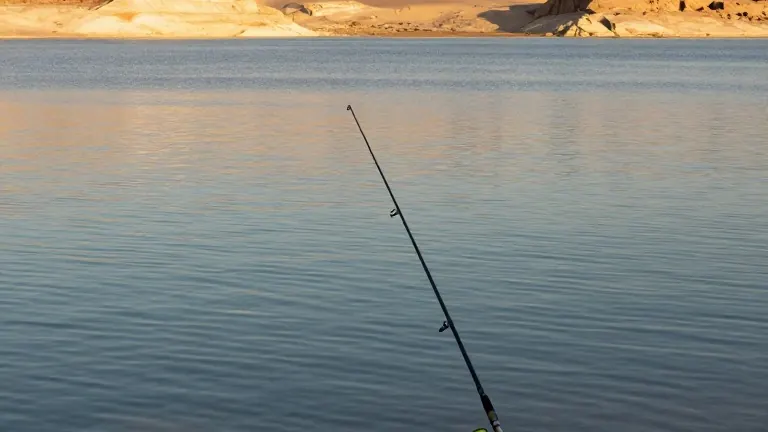
Nevada anglers face a shift in fishing conditions as autumn arrives, bringing cooler air temperatures that alter behavior in local reservoirs. The change marks a departure from summer routines, where extreme heat often forced early morning starts to avoid the midday sun. Now, more comfortable weather allows for longer outings without the constant need to monitor the thermometer.
Water temperatures in large reservoirs like Lake Mead are beginning to cool, though they retain summer warmth for some time. This gradual change influences how fish feed and move. Locations that produced consistent catches during the summer months may become less productive as the season advances. Bass, specifically largemouth and smallmouth, show distinct changes in feeding behavior as water temperatures decline. They may follow prey into different areas or become active at different times of the day.
For residents of Mesquite, Lake Mead remains a primary destination for fall fishing. The reservoir offers access to striped bass, largemouth bass, and smallmouth bass. The varied underwater terrain provides different environments for anglers to target specific species. Striped bass movements often reflect the location of baitfish, requiring anglers to watch for feeding activity to determine where to cast. Shore anglers must also account for changing water levels that affect access to productive areas.
The shift in conditions requires adjustments to fishing techniques. Lure presentations that worked in summer may produce fewer bites as fish move to new depths or concentrate around available food. Anglers are advised to pay attention to water temperature and recent activity to guide their methods. Familiarity with local conditions is valuable, as techniques developed for northern lakes may not translate directly to Nevada's desert reservoirs. Experimenting with retrieval speeds and fishing depths helps anglers respond to the local environment.
Shorter daylight hours and potential wind changes add factors to consider for this season. Checking forecasts before leaving home is recommended to avoid hazardous boating conditions. The Nevada Department of Wildlife provides current information on fishing license requirements and regulations. The National Park Service maintains updates on access points at Lake Mead, which can fluctuate with water levels. These resources help anglers plan trips that align with current conditions and access availability.
The season offers a relaxed pace for recreational fishing. Anglers with flexible schedules can visit fishing areas during weekdays when fewer people compete for shoreline space. This allows for an unhurried experience focused on the activity rather than escaping heat. For those returning to the hobby after time away, a shorter trip to a manageable location provides a comfortable introduction. The changing environment offers opportunities to experiment with techniques that receive less attention during the summer months.
As the season progresses, local observations become the best guide for determining where fish gather. Conditions do not follow an identical schedule every year, making recent fishing reports and access information essential. Anglers traveling from Mesquite to Lake Mead or other regional destinations should confirm current regulations and access points before departure.
More News · Las Vegas news · Report a business · Got a Story?