Nithya Raman wins L.A. mayoral race with 51% of the vote
The City Council member defeated incumbent Karen Bass on November 3, ending a campaign where Raman outpaced her opponent in districts that opposed her.
By Mariam Saleh ·
Nithya Raman became the new mayor of Los Angeles after defeating incumbent Karen Bass in the November 3 election. Raman, who serves as a member of the Los Angeles City Council, won the race for the top executive office in the city. The victory marks a shift in local leadership, with Raman set to assume office and take charge of the city's administration. She is the first democratic socialist to hold the mayoral position.
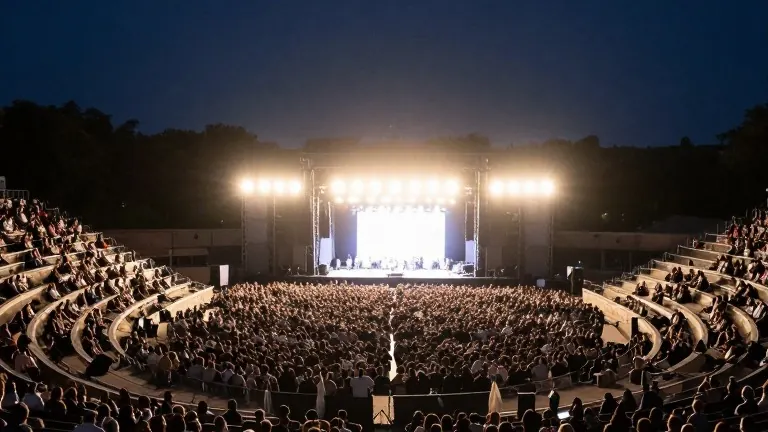
Bass conceded the election to Raman in a phone call on Thursday, November 4. In the conversation, Bass acknowledged the result by stating, “While this is not the outcome we hoped for, the people of Los Angeles have spoken.” Raman held her election night party at the Greek Theatre, a venue that filled with supporters until security had to close off the entrances due to the crowd size. The location choice drew comparisons to past political events, but the turnout indicated strong support for the new mayor.
Raman's path to the top was defined by political risks that her opponent did not take. She filed her candidacy just before the deadline and challenged Bass, an ally she had endorsed only weeks prior. This move angered members of the Democratic Socialists of America in Los Angeles, who had not planned a mayoral campaign for the year. Raman also targeted specific city projects, including the expensive Convention Center renovation, which drew criticism from local establishment figures.
During the campaign, Raman sought voters beyond her traditional base. She campaigned in districts represented by council members who openly opposed her. She used her Spanish to connect with residents, acknowledging that she was still learning the language. This approach contrasted with the strategy of her opponents, who focused on their experience and funding advantages. Bass raised more funds and had the backing of the local Democratic establishment, yet Raman maintained momentum throughout the primary and general election phases.
Several high-profile candidates chose not to run in the race, including billionaire developer Rick Caruso, Los Angeles County Supervisor Lindsey Horvath, and City Councilmember Monica Rodriguez. These individuals stayed out of the contest, likely to protect their political reputations from a potential loss. Their absence cleared the field for Raman and Bass, making their direct confrontation the central focus of the mayoral race.
Raman will face a City Council where nearly half of the members supported her opponent. This composition presents a practical challenge for passing her agenda on housing, transportation, and homelessness. Critics have noted that her victory may reflect dissatisfaction with Bass more than a broad endorsement of Raman's specific policies. Business leaders and property interests have also raised concerns about her positions on renter protections and development permits.
In her election night speech, Raman addressed the crowd at the Greek Theatre. She stated, “Hopelessness can be fatal for a city. But this campaign refused to accept that. You refuse to accept that. You saw hopelessness, and you chose hope.” The new mayor will take over a city dealing with issues like street safety and rebuilding efforts in areas such as Pacific Palisades. Her administration will begin with the task of persuading skeptics and managing the bureaucracy of City Hall.
The election result concludes a campaign that lasted through the primary and general election cycles. Raman's victory allows her to implement her vision for the city, while Bass steps down from the mayoral office. The new mayor will work with the existing City Council to address the city's challenges, relying on the mandate given by voters on November 3.
More News · Las Vegas news · Report a business · Got a Story?