
WeeCycle reports 5% rise in bulk diaper costs due to Strait of Hormuz shipping delays
Supply chain disruptions and higher crude oil prices are forcing the Denver nonprofit to halve diaper distribution packages while serving nearly double the number of children per event.
By Mariam Saleh ·
Supply chain disruptions are raising the cost of infant supplies for Colorado families, forcing local assistance organizations to stretch limited resources. The pressure comes from global market forces that affect raw material prices and shipping routes.
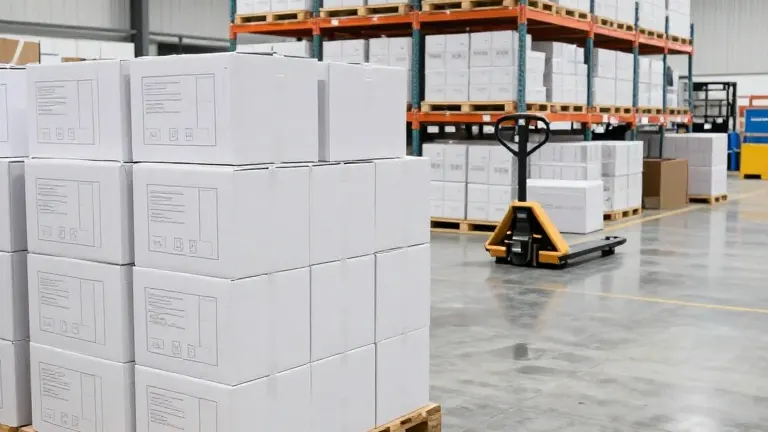
Lindsey Zaback, Development Director for the nonprofit WeeCycle, stated that diaper prices have increased by approximately 5 percent. This price hike adds roughly $2,500 to the cost of each truckload of diapers the organization purchases. WeeCycle buys about one truckload of diapers every month to provide to the community.
The cost increase stems from the composition of diapers and current geopolitical events. Manufacturing diapers requires petroleum and plastic derivatives. According to Kishore Kulkarni, an Economics Professor at MSU Denver, the United States manufactures a large share of diapers but also imports them from China, Japan, and Germany. The ongoing conflict in the Middle East is disrupting shipping routes through the Strait of Hormuz. This disruption makes it harder to move raw materials and drives up their price. The rising cost of crude oil also impacts the final price of diapers.
Zaback noted that the organization purchases diapers in bulk at discounted rates. Despite the bulk discount, the 5 percent rise in base costs adds the $2,500 burden to every monthly purchase. Gas and diesel prices are also increasing, which adds further pressure to delivery costs as community demand rises.
Demand for assistance has outpaced the organization's capacity. Zaback said that in 2020, WeeCycle served an average of 235 children per distribution event. The organization believed that was the peak of demand at the time. Currently, the average number of children served per distribution event is 493. This nearly doubles the previous figure.
To manage the increased load, WeeCycle has reduced the size of its distribution packages. Families now receive about 50 percent fewer diapers per child than in the past. Zaback explained that working parents face a cascading impact from this shortage. Licensed daycare centers require parents to supply diapers for their children. When families cannot afford the supplies, parents may miss work or school.
Zaback attributed the strain to a combination of factors, including government subsidy programs that are harder to access or being cut. She stated that families are being asked to do more with less. She described nonprofits as the back net for the community when government support is insufficient. The organization is currently in a challenging situation as it tries to bridge the gap.
WeeCycle officials expect demand to climb higher heading into the holiday season. The organization is seeking financial donations and volunteer support from the community to meet the growing need for essential baby items.
More Business · Unethical Practices · Report a business · Got a Story?