Newsom to Commute 548 Death Sentences to Life Without Parole
The governor filed a request Thursday to reduce the punishment for all condemned inmates, a move that requires state Supreme Court approval for most of the cases.
By Rosa Fuentes ·
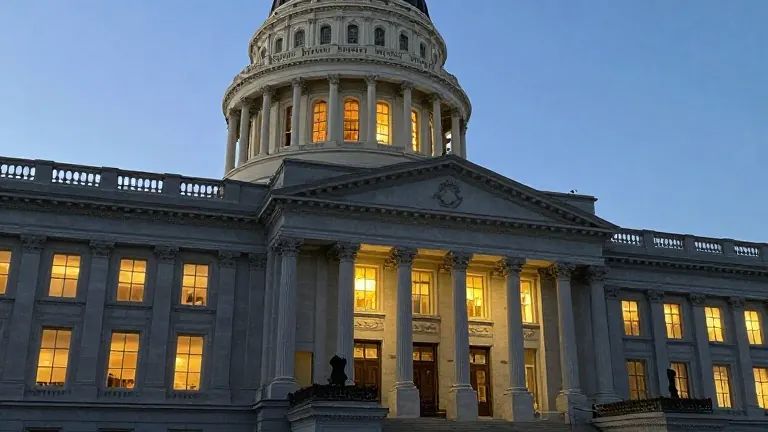
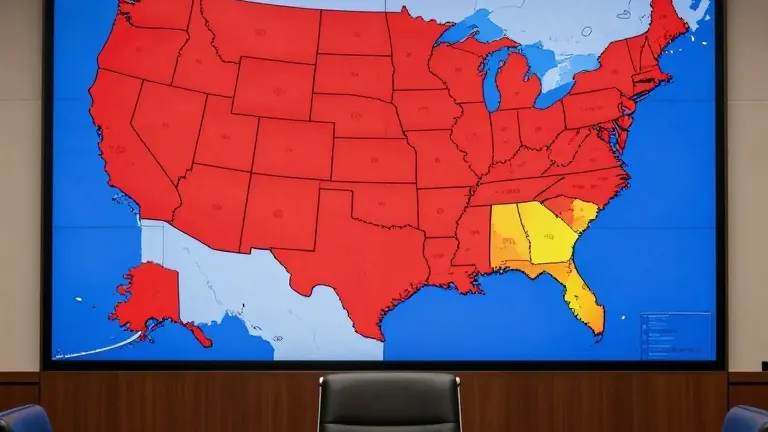
Gov. Gavin Newsom has asked the California Supreme Court to commute the death sentences of all 548 prisoners currently facing execution in the state. The governor filed the request on Thursday, seeking to change the punishment for these inmates to life in prison without the possibility of parole.
Newsom holds the independent authority to commute roughly 40% of these sentences immediately. The remaining cases, which make up nearly 60% of the total, require the state Supreme Court to grant approval before the commutations can take effect. The governor’s term ends in January, creating a tight timeline for the high court to review the petitions.
The decision coincides with Newsom’s consideration of a run for the presidency. Polls from August by the Pew Research Center indicate that about two-thirds of voters nationwide still favor the death penalty for murder convictions. However, support has waned in California, where voters rejected a ballot initiative to abolish the practice a decade ago. Despite his opposition, Newsom has not pursued a constitutional amendment to end the penalty, noting in a letter to residents that voters have kept the law on the books.
Opponents of capital punishment argue the system is expensive and flawed. A 2025 report by the Habeas Corpus Resource Center estimates the state spends more than $200 million annually on appeals for inmates who are unlikely to be executed. The state has not carried out an execution since 2006, when Clarence Ray Allen was the last inmate killed by lethal injection. His case took 23 years to resolve and cost the state more than $750,000 in appeal costs.
Reactions to the move are divided among victims’ families. Bethany Webb, whose sister Laura was killed in a 2011 mass shooting in Seal Beach, said the system is brutalizing to families. In contrast, Sandy Friend, whose son Michael Lyons was murdered in 1996, called the commutations a slap in the face to victims. Friend and other relatives emphasized the unique brutality of the capital crimes involved.
The list of inmates includes high-profile cases such as Charles Ng, convicted of killing eleven people in Northern California in the mid-1980s, and Richard Allen Davis, who abducted and murdered 12-year-old Polly Klaas in 1993. Christopher Cheary, convicted of murdering his girlfriend’s three-year-old daughter in Tulare County, is also among those seeking commutation.
Gov.-elect Xavier Becerra also opposes the death penalty. Legal experts note that resuming executions would require a decade and millions of dollars in new spending to rebuild a death chamber and secure drugs. In 2024, the California Supreme Court ordered the Department of Justice to explain why the death penalty should not be declared unconstitutional, citing data on racial disparities in sentencing.
Newsom waited until after the midterm general election to file the request, aiming to avoid making the issue a central campaign topic. The move follows a temporary moratorium he issued in 2019, which led to the dismantling of the death chamber at San Quentin State Prison. The governor said his Catholic background and the inequities in the criminal justice system influenced his decision.
More Politics · Las Vegas news · Report a business · Got a Story?