Record Highs Hit Southern California Coast
Oceanographer data shows sea levels in Los Angeles and San Diego broke century-old records this week due to extreme heat and El Niño conditions.
By Jasmine Carter ·
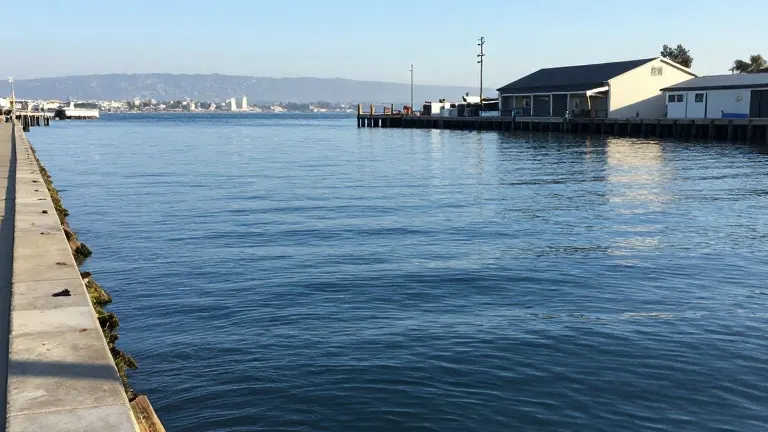
Sea levels in Los Angeles reached 8.19 feet on October 27, shattering the previous record of 7.93 feet set in 2005. This new high at the San Pedro gauge marks the highest water level observed in more than a century of records.
The record-breaking surge resulted from a convergence of three factors. Record-hot ocean temperatures expanded water volume, pushing the baseline sea level higher than normal. Astronomical tides, which were moderately high, amplified this rise. Powerful storms and Kelvin waves added further stress to the coastline.
William Sweet, an oceanographer with the National Oceanic and Atmospheric Administration, analyzed data showing the impact of these conditions. In the week ending Friday, average sea levels were 1.4 feet higher than expected in San Diego. Los Angeles saw a 1.3 foot increase, while San Francisco recorded a 1.1 foot rise.
The extreme heat driving this rise is statistically unusual. On Saturday, the sea surface temperature at Scripps Pier in La Jolla hit 75.4 degrees. This reading was 11.1 degrees above the historical average for that time of year. It also exceeded the highest average temperature recorded for the entire year, which is approximately 70 degrees.
Physical damage has already occurred along the coast. In Huntington Beach, 114 homes and structures suffered seawater damage, primarily in the Sunset Beach and Huntington Harbour neighborhoods. Parts of Pacific Coast Highway flooded, and beachside businesses in Redondo Beach and Long Beach also reported inundation.
Meteorologists warn that conditions will likely worsen before winter ends. Dillon Amaya, an assistant professor at North Carolina State University, noted that the ocean is expected to remain warmer than average through the spring. He stated that king tides arriving around Thanksgiving, Christmas, and Martin Luther King Jr. Day will provide a larger trigger for flooding.
The timing of these tides creates a specific risk. Reinhard Flick, a researcher at the Scripps Institution of Oceanography, explained that a rare alignment of lunar cycles is creating supersized astronomical tides. High tides of 7 feet or higher are predicted for November 25 and from December 23 to 25. These astronomical peaks will stack on top of the already elevated sea levels caused by the marine heat wave.
Federal scientists estimate an 83% chance that this El Niño event will be the strongest in the modern record dating to 1950. Robbie Munroe, a meteorologist with the National Weather Service office in Oxnard, said the waters are currently one to one-and-a-half feet above normal due to warm waters and Kelvin waves. These waves are moving warm water from the western Pacific toward California, a process that raises sea levels for months.
More News · Las Vegas news · Report a business · Got a Story?