Clark County voters weigh local leadership amid ten key Senate races
As polls open in Las Vegas, Henderson, and North Las Vegas, voters cast ballots for Governor Joe Lombardo and House members while deciding the fate of the U.S. Senate in ten pivotal states.
By Nathaniel Hayes ·
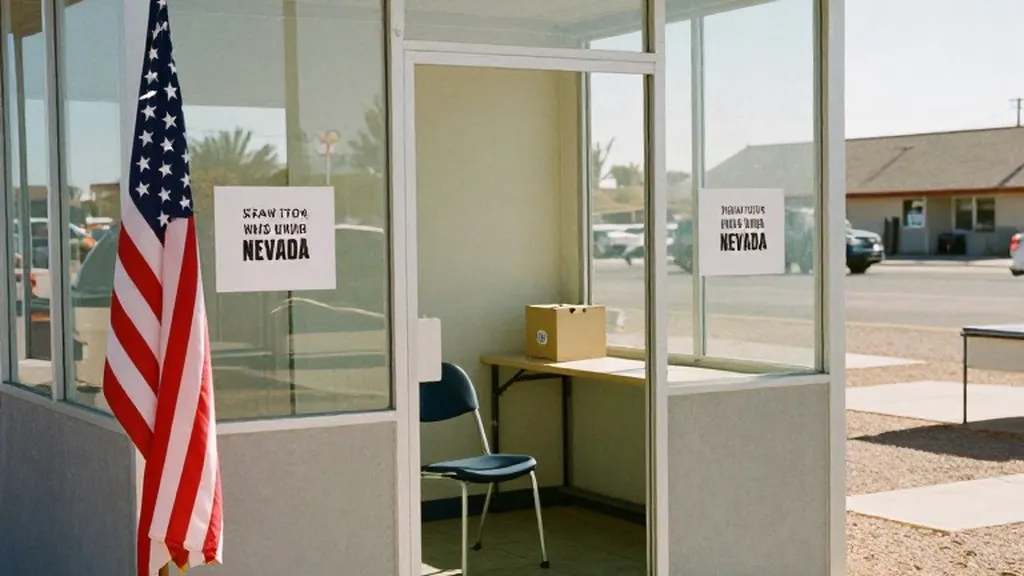
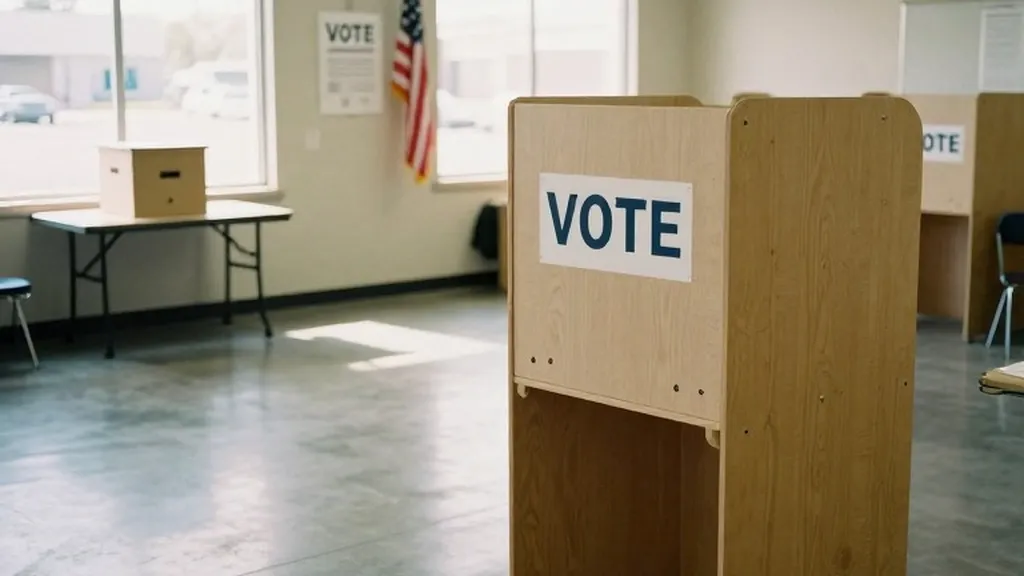
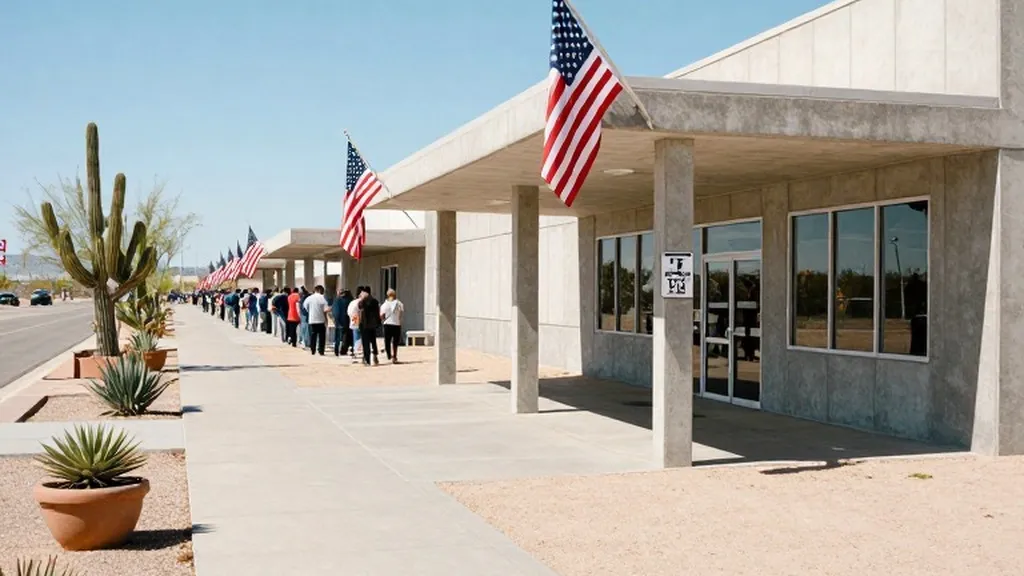
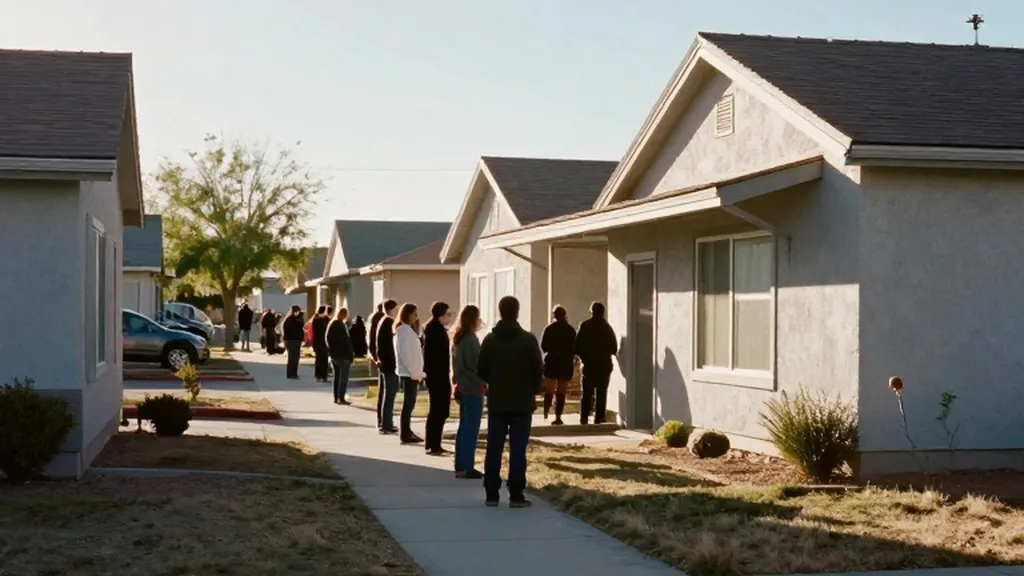
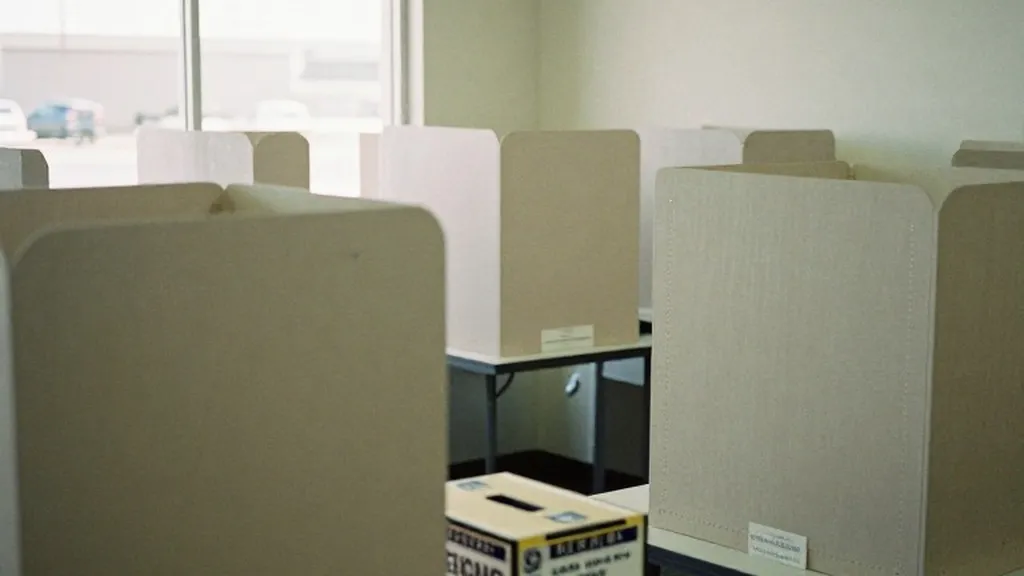
Polls opened at 7 a.m. Tuesday in Clark County, where residents of Las Vegas, Henderson, and North Las Vegas are voting in a largely mail-based election that concludes at 7 p.m. Local time. Nevada conducts its elections largely by mail, and voters can find their specific polling place at vote.gov if they have not already cast a ballot. The state is deciding its next governor, with Republican incumbent Joe Lombardo facing Democratic Attorney General Aaron Ford, as well as every U.S. House seat in the state. There is no U.S. Senate election in Nevada this year, but the results here will join a national tally that determines which party controls Congress for the final two years of President Donald Trump's term.
Nationally, voters are choosing 35 U.S. Senate seats, including 33 regular elections and two special elections for the terms previously held by Marco Rubio and JD Vance. Republicans currently hold 53 Senate seats, while Democrats hold 45, plus two independents who caucus with Democrats. For Democrats to gain a majority, they need a net gain of four seats, whereas Republicans can afford to lose only two. The Associated Press describes this midterm as a referendum on the president's second term, with many voters expressing concern over high prices and an unpopular war with Iran.
Ten specific Senate matchups have drawn intense national attention due to their potential to shift the balance of power in Washington. In North Carolina, Democratic former Governor Roy Cooper is challenging former Republican National Committee chair Michael Whatley for the seat vacated by retiring Senator Thom Tillis. Tillis stepped down after clashing with President Trump, making this open seat a focal point for both parties.
In Georgia, Senator Jon Ossoff, a Democrat, is defending his seat against Republican Representative Mike Collins. The Associated Press notes that the state's 2024 presidential margin was tight, with Trump winning by 2.2 percentage points. In Ohio, Democratic former Senator Sherrod Brown is running against Republican Senator Jon Husted in a special election for the rest of the term that JD Vance was elected to in 2022. Husted is the incumbent in this special race, which is critical for Republicans seeking to maintain their slim majority.
Michigan presents another key contest where Republican former Representative Mike Rogers is facing Democrat Abdul El-Sayed. On Sunday, El-Sayed's former primary opponent, Haley Stevens, endorsed Rogers, adding a layer of complexity to the race. Ballotpedia rates Michigan as a toss-up to lean Democratic, reflecting the state's shifting political landscape. In Texas, Republican Attorney General Ken Paxton is running against Democrat James Talarico. Trump backed Paxton over Senator John Cornyn in the primary, signaling a clear preference for the more conservative candidate in a state where Trump won by 13.6 points in 2024.
Maine is one of the most closely watched races, with Senator Susan Collins, a Republican, facing Democratic former state Senate President Troy Jackson. The Associated Press highlights that economic strain and tariffs have made the state more competitive than in previous cycles. In New Hampshire, Democratic Representative Chris Pappas is challenging former Republican Senator John E. Sununu for the seat of retiring Senator Jeanne Shaheen. The state voted for Kamala Harris in 2024, making it a defensive target for Republicans.
Minnesota features a crowded field for the seat of retiring Senator Tina Smith, with Democratic Lieutenant Governor Peggy Flanagan and Republican Michele Tafoya, a former sports broadcaster, among the four candidates. Kansas, traditionally a reliable Republican stronghold, has become central to the fight for Senate control, with incumbent Roger Marshall defending his seat. In Alaska, the race involves a lawsuit filed by the Trump administration related to the certification of the Senate result, adding a legal dimension to the political contest.
In Nevada, the governor's race is a key local focus, with Joe Lombardo seeking reelection against Aaron Ford. The Associated Press notes that Democrats are hoping to hold a majority of governorships for the first time in two decades, a goal that depends on wins in states like Nevada, Georgia, and Ohio. In Ohio, Republican Vivek Ramaswamy is running against Democrat Amy Acton, a race that has seen significant controversy over campaign advertisements. These local and state races are being decided simultaneously with the national picture, creating a complex web of outcomes that will shape the legislative agenda for the next two years.
As polls open, more than 57 million people have already voted, surpassing early vote totals from four years ago in many closely watched states. Republicans are bracing to lose the House but are fighting to hold the Senate, while Democrats remain cautiously optimistic. President Trump held dozens of rallies in the lead-up to Election Day, ending in Salina, Kansas, where he urged voters to support his party. His administration has also continued to make claims about voting fraud, including lawsuits in Alaska and California, which have raised concerns among Democrats about potential interference in the certification process.
The stakes extend beyond just party control, as a strong Democratic performance could boost potential 2028 candidates such as Gavin Newsom, JB Pritzker, and Pete Buttigieg. Conversely, a Republican win would solidify the president's agenda for the remainder of his term. For Clark County voters, the day is about selecting local leaders and weighing in on a national debate that has dominated the headlines for months. The results will not be known until polls close, but the direction of the next two years of Congress is being decided today.