Clark County voters face 7 a.m. To 7 p.m. Window in largely mail-based election
Nevada’s early voting surge sets the stage for a final day focused on ID rules and postal logistics in Las Vegas and Henderson.
By Jasmine Carter ·
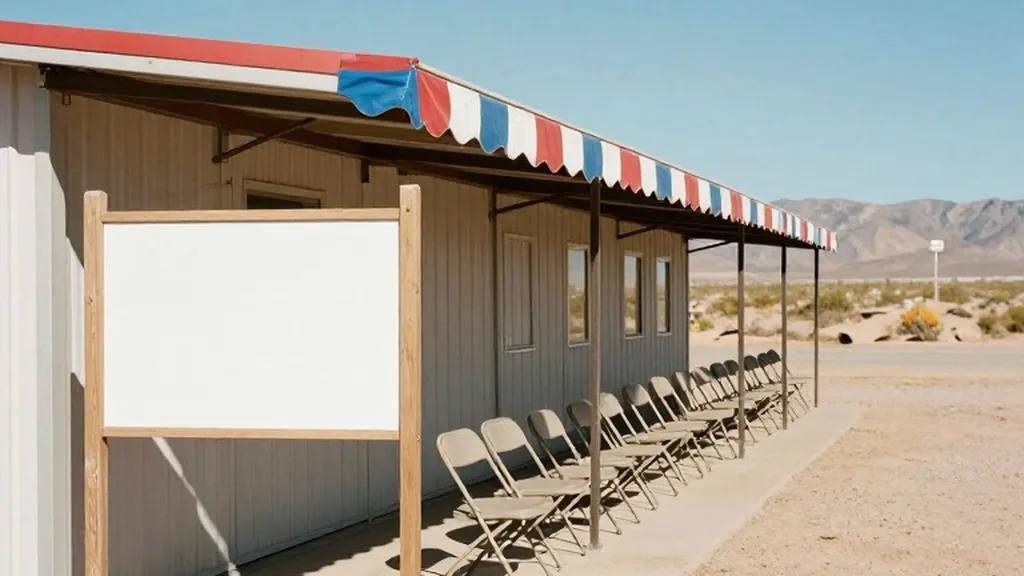
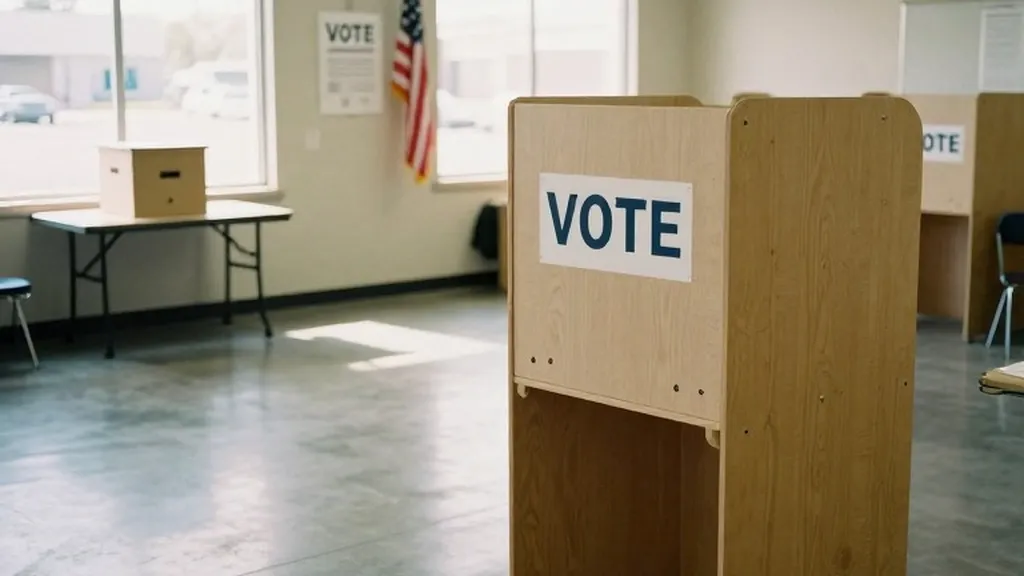
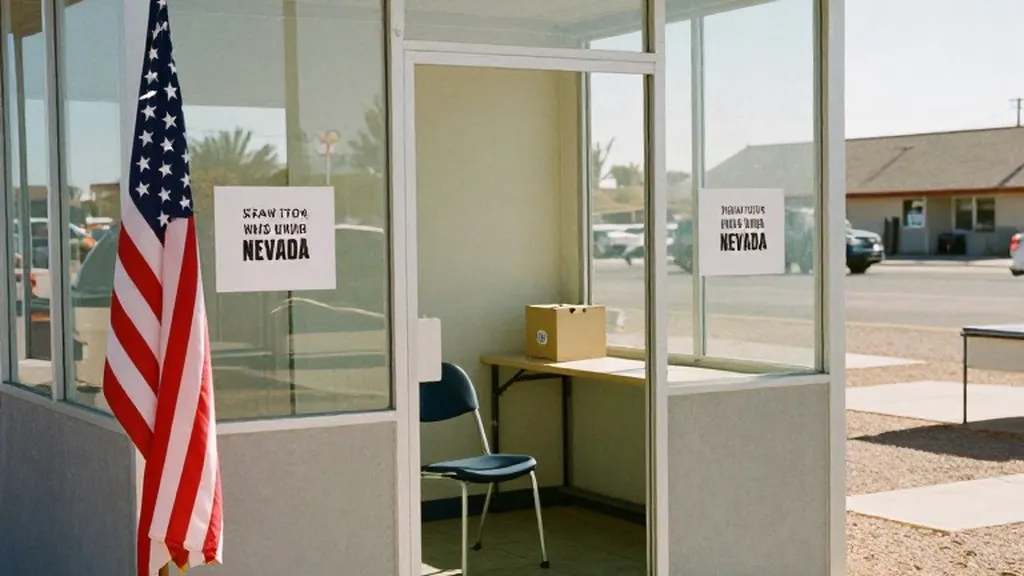
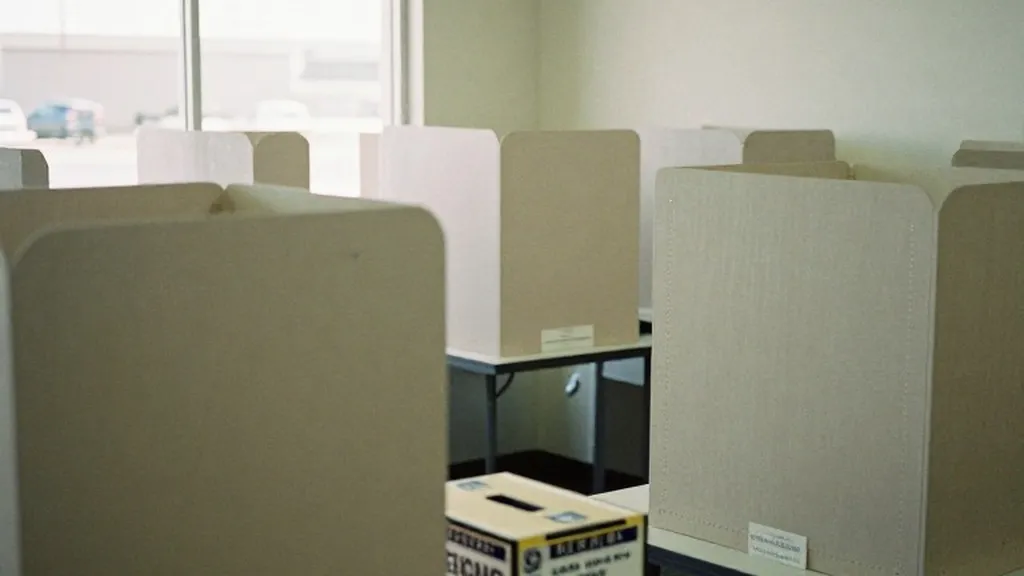
Polls in Clark County open at 7 a.m. And close at 7 p.m. On Tuesday, marking the end of a midterm cycle that has seen Nevada rely heavily on mail ballots. The state conducts its elections largely by mail, a method that has shaped voter behavior across Las Vegas, Henderson, and North Las Vegas. While the in-person vote is shorter than in many other states, the final hours remain critical for those who have not yet submitted their ballots. Voters in the county should confirm their specific polling location at vote.gov, as local offices vary by precinct.
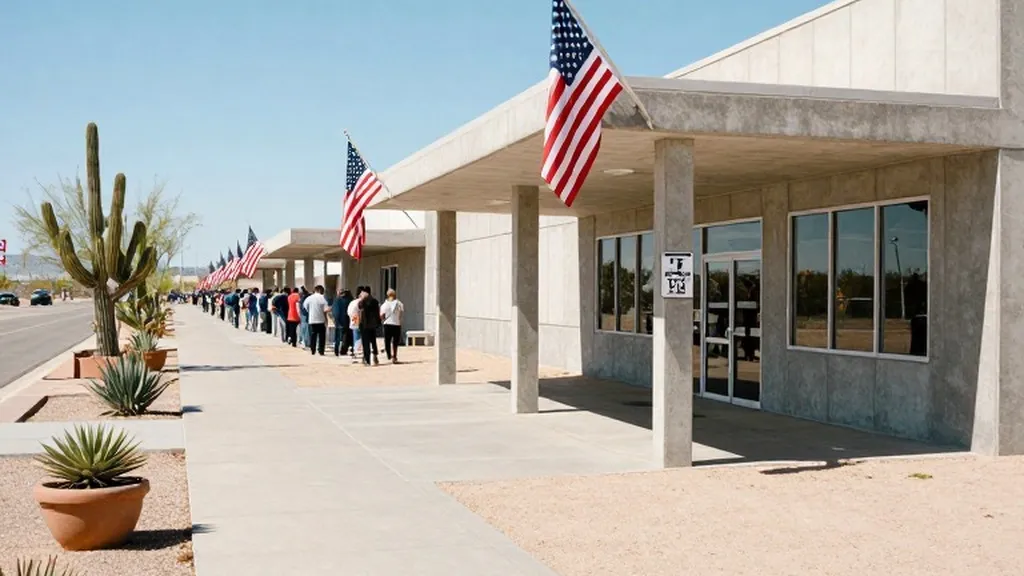
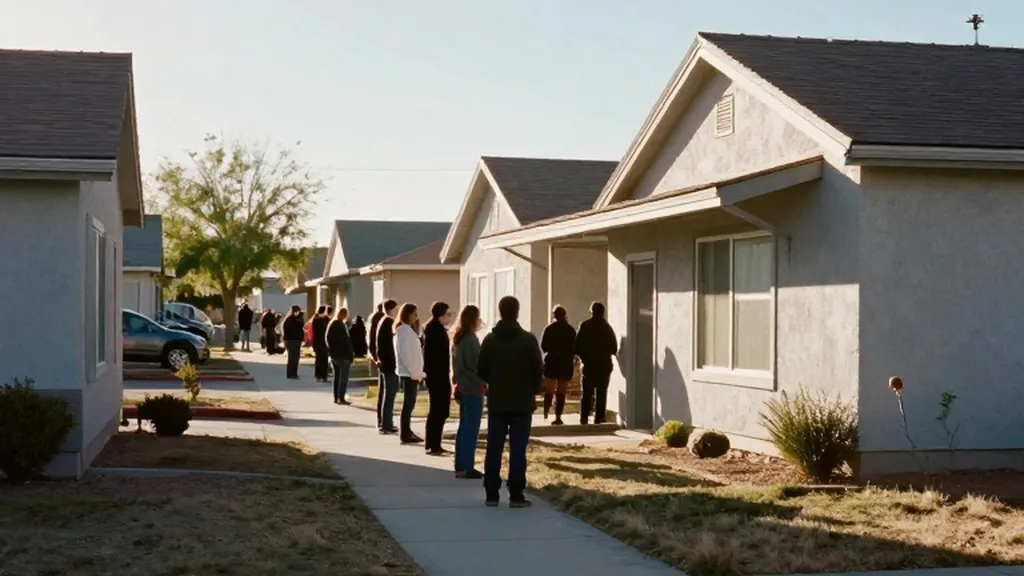
The practicalities of voting today center on identification rules and line management. ID rules vary by state, and voters in Nevada must check their specific requirements before heading to the polls. Ballotpedia notes that anyone in line when the polls close at 7 p.m. Is entitled to cast a ballot. This provision is a key detail for residents in busy urban centers like Las Vegas, where traffic and wait times can extend the voting process. Staying in line is a legal right that protects the integrity of the final hours of voting.
The U.S. Postal Service has implemented additional measures to support the mail ballot process. The agency added hours, staff, and special lines to ensure that mail ballots are counted on time. This logistical boost is particularly relevant for Clark County residents who opted for the mail ballot option. The coordination between local election officials and federal postal services aims to minimize delays in the tallying of votes. For voters in Henderson and North Las Vegas, this infrastructure supports the high volume of mail-in returns that characterize the state’s election system.
Nevada voters are deciding on the governorship, with incumbent Republican Joe Lombardo on the ballot against Democratic Attorney General Aaron Ford. Ballotpedia confirms that every U.S. House seat in the state is also on the ballot, alongside state and local offices that vary by county. There is no U.S. Senate election in Nevada this year, focusing the state’s attention on executive and legislative races. The outcome of the governor’s race will determine the direction of state leadership in a region that includes major metropolitan areas.
Nationally, the election is a referendum on President Donald Trump’s second term. The Associated Press describes the mood as one where voters are struggling with high prices and anger over an unpopular war with Iran. AP-NORC polling indicates that 35 percent of U.S. Adults approve of Trump’s job performance, while about seven in ten say the country is heading in the wrong direction. These sentiments are driving turnout across the country, including in Clark County. The stakes are high, as the results will determine who controls Congress for the president’s final two years.
The U.S. House sees all 435 seats up for grabs. Republicans currently hold 218 seats, while Democrats hold 214, with one independent. Democrats need a net gain of three districts to secure a majority, a threshold that makes the election highly competitive. Ballotpedia counts 46 battleground districts, including 25 held by Democrats and 21 by Republicans. In the Senate, 35 seats are up, including 33 regular elections and two special elections. Republicans hold 53 seats, and Democrats need a net gain of four to take the majority. These numbers underscore the tight margins that will define the outcome.
Governor races are also a focal point, with 36 governorships on the ballot. Republicans hold 26 governor’s offices and Democrats hold 24. Of the races on the ballot, each party holds 18, creating a balanced contest for state control. Democrats would need a net gain of two governorships to achieve a nationwide majority, a feat they have not accomplished since 2010. The Nevada race between Lombardo and Ford is one of several competitive contests that will shape the balance of power in state governments.
The election administration has faced legal challenges in the final days. A federal judge temporarily barred the Trump administration from carrying out a plan to prevent noncitizen voting, a move critics say risks disenfranchising eligible voters. Reuters notes that a judge also ordered the administration to stop demanding that California election officials segregate ballots cast by people on lists of suspected noncitizens. These legal developments add a layer of complexity to the voting process, particularly in states with strict ID laws. Voters in Clark County should be aware of these changes, though the primary focus remains on the local and state races.
More than 57 million people had already voted as of Monday, surpassing early vote numbers from four years ago in many closely watched states. This high level of early participation reduces the pressure on in-person voting on Tuesday, but it does not eliminate the need for vigilance. The Associated Press notes that Republicans were bracing to lose the House while fighting to hold the Senate, with one or two seats potentially tipping the balance. Democrats were described as cautiously optimistic, reflecting the uncertainty that pervades the final day of the election.
For voters in Clark County, the practical steps are clear: check your ID, find your polling place, and be prepared to wait in line. The mail ballot system has allowed many residents to vote early, but those casting in person must adhere to the 7 a.m. To 7 p.m. Window. The U.S. Postal Service’s added resources ensure that mail ballots are processed efficiently, supporting the overall integrity of the election. As the polls close, the focus shifts to the tallying of votes, a process that will determine the new composition of Congress and the leadership of state governments.