Voters in Nevada and nine other states choose governors on high-stakes Tuesday
Clark County residents cast ballots in a competitive governor's race while national midterms test President Trump's second term.
By Jasmine Carter ·
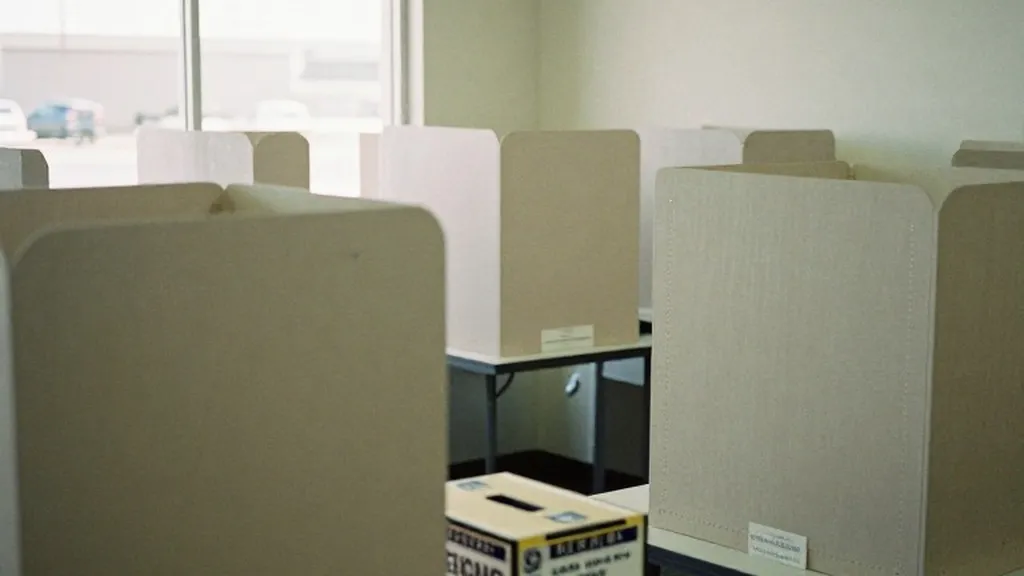
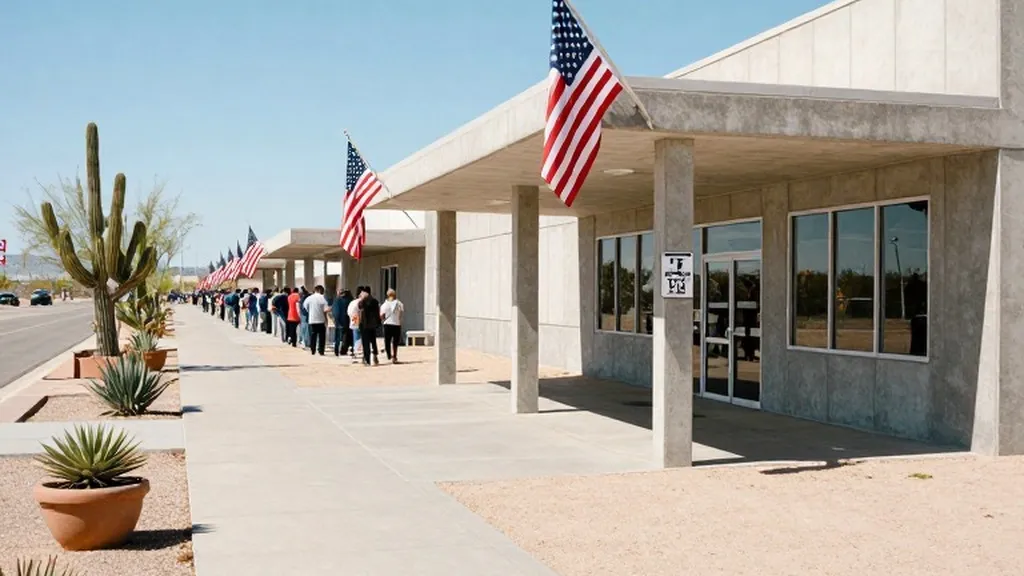
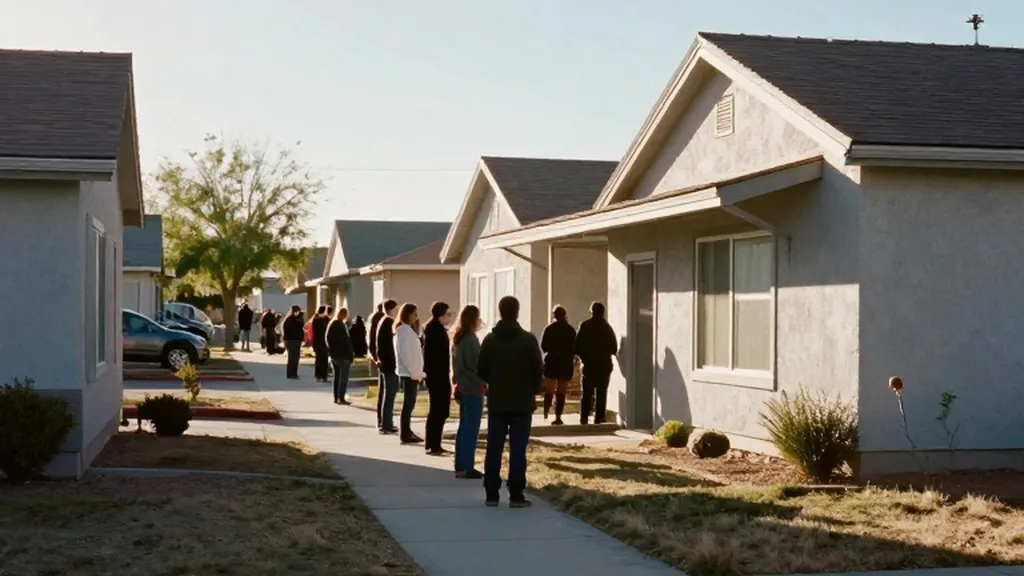
In Clark County, polls open at 7 a.m. And close at 7 p.m. On this Election Day, Tuesday, November 3, 2026. As voters in Las Vegas, Henderson, and North Las Vegas head to the polls or submit mail ballots, they are deciding the next governor of Nevada. The state holds a competitive race for the highest executive office, a key contest among 36 governorships decided nationwide today.
Nevada voters face a choice between incumbent Republican Governor Joe Lombardo and Democratic Attorney General Aaron Ford. Nevada is one of the battleground states where the outcome could shift the balance of power in the country. Democrats hope to hold a majority of governorships for the first time in two decades, making races like this one in the Silver State particularly significant for the national picture.
The governor’s office is a focal point in several other states as well. In Georgia, Republican health care executive Rick Jackson competes against Democratic former Atlanta Mayor Keisha Lance Bottoms to succeed Brian Kemp. In Ohio, Republican Vivek Ramaswamy faces Democrat Amy Acton, a race marked by intense advertising and public scrutiny. In Arizona, Katie Hobbs seeks to retain her seat, while in Michigan, Wisconsin, and Pennsylvania, Democrats defend their current governorships against Republican challengers.
Republicans in New Hampshire and Vermont are also on the ballot. In New Hampshire, Kelly Ayotte runs for re-election, while in Vermont, Phil Scott faces the electorate. These races add to the complexity of the day, as each state has different polling hours and procedures. For instance, in Vermont, polls open between 5 a.m. And 10 a.m. And close at 7 p.m., with the election conducted largely by mail. In New Hampshire, hours vary by town, with polls open by 11 a.m. And closing no earlier than 7 p.m.
The Associated Press describes today’s election as a referendum on President Donald Trump’s second term. Voters are reportedly struggling with high prices and expressing anger over an unpopular war with Iran. AP-NORC polling indicates that 35 percent of U.S. Adults approve of the president’s job performance, while about seven in ten say the country is heading in the wrong direction. Most respondents blame the administration for high prices, a sentiment that resonates in swing states and deep red districts alike.
Nationwide, the stakes are high for control of Congress. All 435 seats in the U.S. House are up for grabs, with Democrats needing a net gain of three districts to secure a majority. In the Senate, 35 seats are contested, including 33 regular elections and two special elections. Republicans currently hold 53 Senate seats, while Democrats hold 45, plus two independents who caucus with Democrats. A net gain of four seats would give Democrats control of the Senate, a target that depends on performance in states like Georgia, Michigan, and Maine.
Election administration has been a source of tension leading up to today. A federal judge temporarily barred the Trump administration from carrying out a plan to prevent noncitizen voting, a move critics say risks disenfranchising eligible voters. The administration also faced a court order to stop demanding that California election officials segregate ballots cast by people on lists of suspected noncitizens. These legal battles have heightened concerns about interference and intimidation, with the Justice Department threatening to prosecute local election officials in some areas.
Turnout has been robust, with more than 57 million people having already voted as of Monday, surpassing the early vote of four years ago in many closely watched states. Republicans are bracing to lose the House and fighting to hold the Senate, while Democrats are cautiously optimistic. The outcome could determine whether investigations and possible impeachment proceedings become more likely, with House Democratic Leader Hakeem Jeffries positioned to become the first Black speaker if his party gains control.
The financial scale of these elections is historic. The 2026 elections are likely to be the most expensive in history, with Republican committees outspending their Democratic counterparts, aided by Trump-affiliated groups and Elon Musk. However, at the candidate level, Democrats have outraised their opponents. 88.1 percent of Republican general election TV ad spending went to states and districts Trump won in 2024, including more than $850 million in areas where he won by 10 points or more.
As polls open across the country, voters in Clark County and beyond are casting their ballots in a day that will shape the final two years of the current administration. The results will determine who controls Congress and which party holds a majority of governorships. With no winners declared yet, the focus remains on what voters are deciding and how they are exercising their rights in this pivotal midterm election.