Texas election shifts control of hemp rules, but shelves stay empty for now
Vikki Goodwin's victory over Lt. Gov. Dan Patrick ends a political battle over THC, yet federal tests and legislative hurdles keep smokeable products off the market.
By Nathaniel Hayes ·
Texans voted out Lt. Gov. Dan Patrick on Nov. 3, ending his tenure as the chief legislative opponent of hemp-derived THC products in the state.
The 2025 legislative session saw Patrick push through regulations that effectively banned popular smokeable items like vapes and joints. The Texas Department of State Health Services raised licensing fees for manufacturers from $258 to $10,000 per facility. Retail registration costs jumped from $155 to $5,000. These rules capped total THC content at 0.3%, a limit that excluded raw flower products from the market.
Vikki Goodwin, a state representative from Austin, defeated Patrick by campaigning on the need to reverse these bans. Her platform promised to use sales tax revenue from hemp products to fund health insurance for low-income residents. Goodwin now holds the lieutenant governor seat, a position that grants substantial influence over the Texas Senate and the rulemaking process.
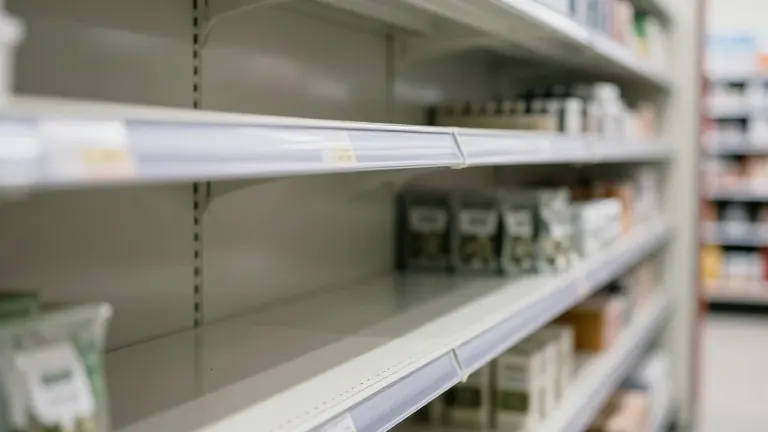
Industry leaders view the election as a political victory rather than an immediate regulatory fix. Shayda Torabi, co-founder of RESTART CBD in Austin, noted that smokable products have faced inconsistent agency rules and court orders. She warned that THCA flower, the unheated form of THC, fails a new federal total THC test that takes effect on Dec. 11. Without a federal change or a clear state law, consumers may face continued gaps in product availability.
Lukas Gilkey, CEO of hemp manufacturer Hometown Hero, said the new leadership creates a path to repeal the restrictive rules. He noted the industry previously generated $300 million in annual state tax revenue. Several hemp organizations have filed lawsuits against the current regulations, and some expect a more favorable legal environment now that voters replaced judges who ruled against the industry.
The Texas Legislature convenes on Jan. 12 to decide the legal status of hemp-derived THC. Lawmakers must choose between maintaining a regulated market or creating a comprehensive legal framework similar to other states. Katharine Neill Harris, a drug policy fellow at Rice University, said Goodwin will need legislative support to block future ban efforts. Senate Republicans may still attempt to limit the lieutenant governor's power.